

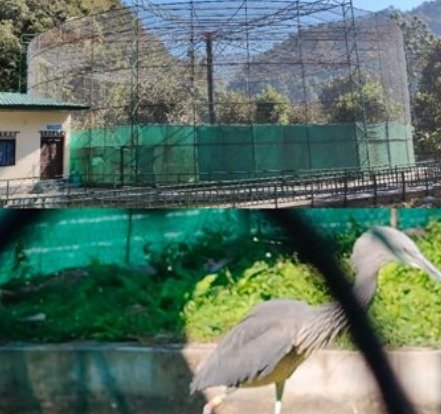
The White-bellied Heron, one of the rarest birds in the world, faces increasing threats as climate change, shifting river systems, and development pressures reshape Bhutan’s river valleys. With Nepal already losing the species, Bhutan is home to the largest remaining population, with 24 herons in the wild and five at the Chachey-Dovan Conservation Center by 2024. However, these challenges are growing. Staff at the center describe how hotter temperatures, erratic rainfall, and unstable river conditions are disrupting the herons’ food supply—the fish they rely on. This forces the birds to depend on limited safe habitats.
At the center, staff ensure the herons remain undisturbed, providing daily fish and supporting nearby communities. They also rescue chicks or eggs threatened by environmental hazards, intervening only when survival is at risk. Climate change exacerbates these dangers, with warmer weather, unpredictable monsoons, and sudden winters disrupting the food chain.
Hydropower development further complicates matters, altering river flow and diminishing fish populations. Despite these challenges, the center works to protect the birds’ habitat, restore forests, and collaborate with local communities to safeguard the herons’ future.