

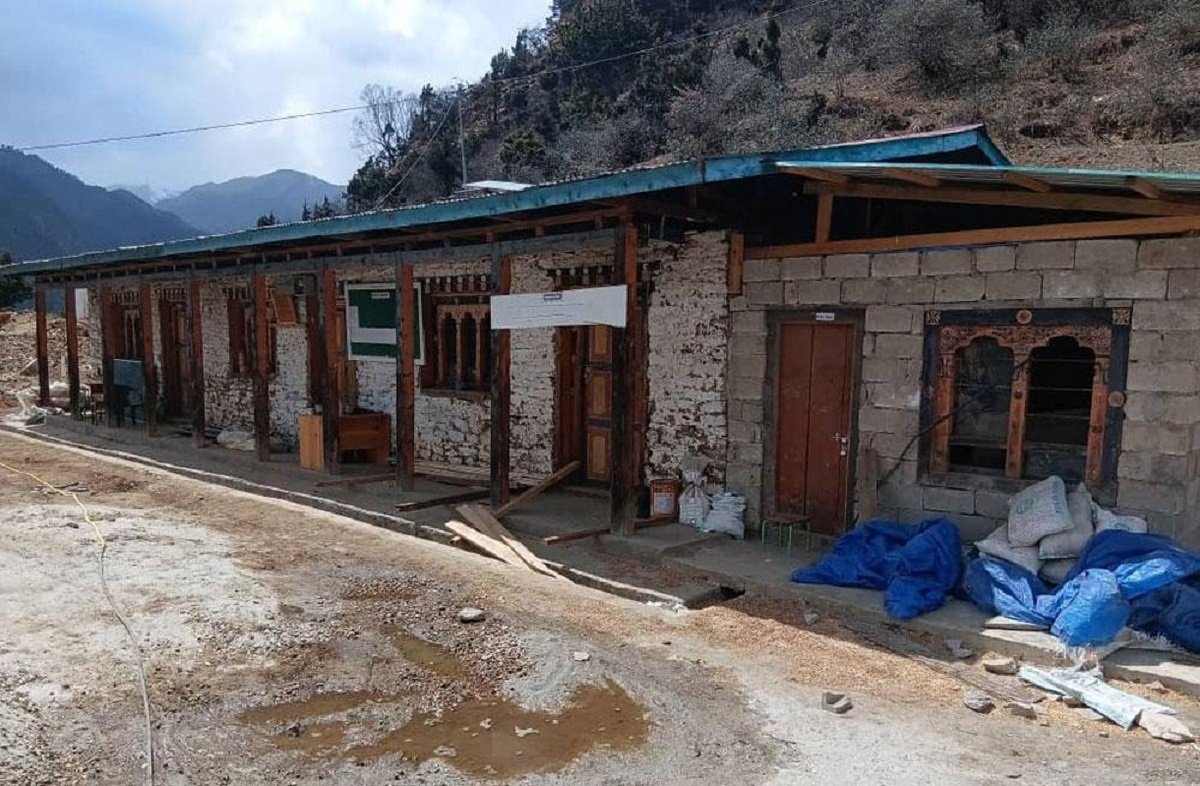
At 6:30 am each day, 12-year-old Tandin Tshomo and her seven-year-old brother, Ja-myang Singye, embark on a five-kilometre journey to Tsaluna Primary School in Maed-wang Gewog, Thimphu, due to the lack of facilities for education in their remote village, Naro Gewog. The absence of boarding facilities and a sufficient number of teachers at Barshong Primary School in Naro Gewog forces children from livestock-rearing families to seek education elsewhere. Gyem Dorji, their father, chose Tsaluna over Barshong despite its proximity, citing teacher shortages as the primary reason. Many local children enroll in other schools because Barshong lacks essential amenities like a hostel and a caretaker, which significantly impacts their education. Another local parent expressed a similar challenge, needing to send his daughter to Thimphu for adequate care and schooling, showing a clear preference for local education if conditions improved.
Current conditions at Barshong Primary School are dire; it has only four students and one teacher, with teacher Sangay Lhamo managing both administration and teaching duties. The school is not stable, as it closes whenever the teacher is away, underscoring the community’s urgent plea for more reliable and sufficient teaching staff. The education officials acknowledged the community’s requests, promising to assess the posting of a Dzongkha teacher, contingent upon the school reaching a minimum enrollment of ten students.
To support local education, a Nu 1.6 million hostel with heating and facilities is under construction, aimed at housing 12 students and expected to be completed by June. However, despite a reported excess of Dzongkha teachers in the dzongkhag, reluctance from potential teachers to work in Naro due to harsh climate conditions poses additional challenges. The educational sector’s policy necessitates a viable student population for effective resource allocation, putting further pressure on local families. The community remains hopeful that increased facilities and teacher support will encourage more families to keep their children closer to home for education.