

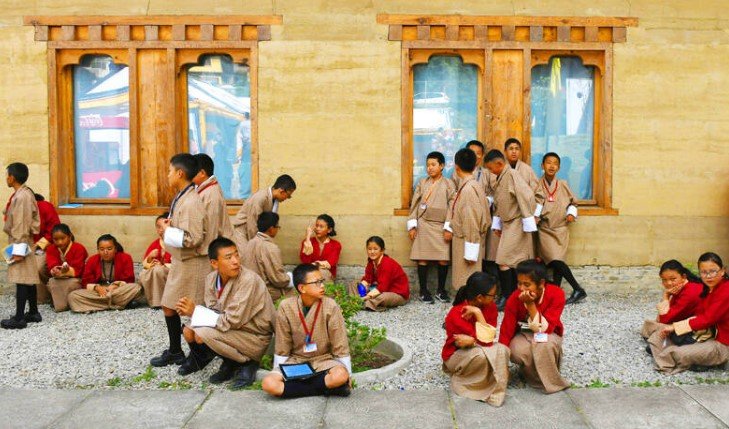
Bhutan has introduced a new initiative aimed at addressing the country’s declining birth rate by encouraging family growth and providing greater support to young parents. The programme reflects growing concerns over demographic changes, including a slowing population growth rate and the long-term impact of an ageing population on the country’s workforce and economic development. Under the initiative, the government is expected to strengthen policies that improve maternal and child healthcare, expand childcare support, and introduce measures that make it easier for families to raise children. Authorities are also focusing on enhancing access to quality healthcare, education, and social welfare services while exploring incentives that could encourage couples to have more children. Officials believe that creating a supportive environment for families is essential to ensuring balanced population growth and sustaining Bhutan’s long-term development goals. Experts note that declining fertility rates have become a challenge for many countries, making family-friendly policies increasingly important to maintain economic stability and social well-being. Bhutan’s approach seeks to balance demographic needs with its broader commitment to inclusive development and the principles of Gross National Happiness, which emphasize the well-being of citizens alongside economic progress. The initiative is also expected to complement the country’s ongoing investments in healthcare, education, and community development, ensuring that children and families have access to the resources needed for a healthy and secure future. As Bhutan responds to changing demographic trends, the programme marks a proactive step toward building a resilient society while supporting the aspirations of future generations.