

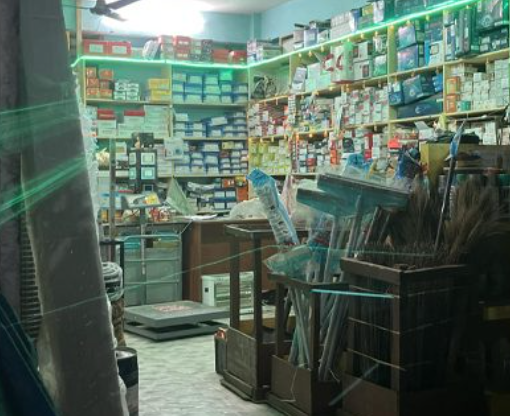
Agency: The Bhutan Hardware Association (BHA) has raised concerns regarding the upcoming Goods and Services Tax (GST) regime and how it might negatively affect the sector if certain actions are not taken or clarified.
BHA Chair, Thinley Dorji, said members are confused about what will happen to the existing stock on which 10 percent Bhutan Sales Tax (BST) has already been paid. With GST trainings drawing near, he said there is still uncertainty around the matter.
According to him, the association has already submitted two letters to the Department of Revenue and Customs highlighting the issue.
The first letter, submitted on 14th August outlined concerns about pre-GST stocks. It stated that hardware businesses usually keep large inventories to ensure smooth operations. At present, BST at 10 percent is paid when goods enter the country. Under the GST framework, the rate for similar goods will drop to 5 percent. While the revision is positive in the long run, BHA said it creates short-term problems.
For unsold goods purchased under the current BST system, the letter asked for clarification on whether there will be a system to adjust the difference and refund the excess BST already paid. It also pointed out that if GST is applied to all sales from 2026 onwards without adjustment, the same goods will end up being taxed twice, once under BST (10 percent) and again under GST (5 percent).
The letter further noted that there has been no official guidance on whether pre-GST stock will qualify for input tax credit, stock adjustment, or other relief measures. The association warned that this uncertainty could cause unnecessary losses, particularly for small and medium enterprises, during the early phase of GST rollout.
BHA requested a public clarification on transitional rules for pre-GST stocks, a system for input tax credit or stock adjustment for goods bought under the current BST regime, and a consultation or sensitization session specifically for the hardware sector to help ensure readiness and compliance.