

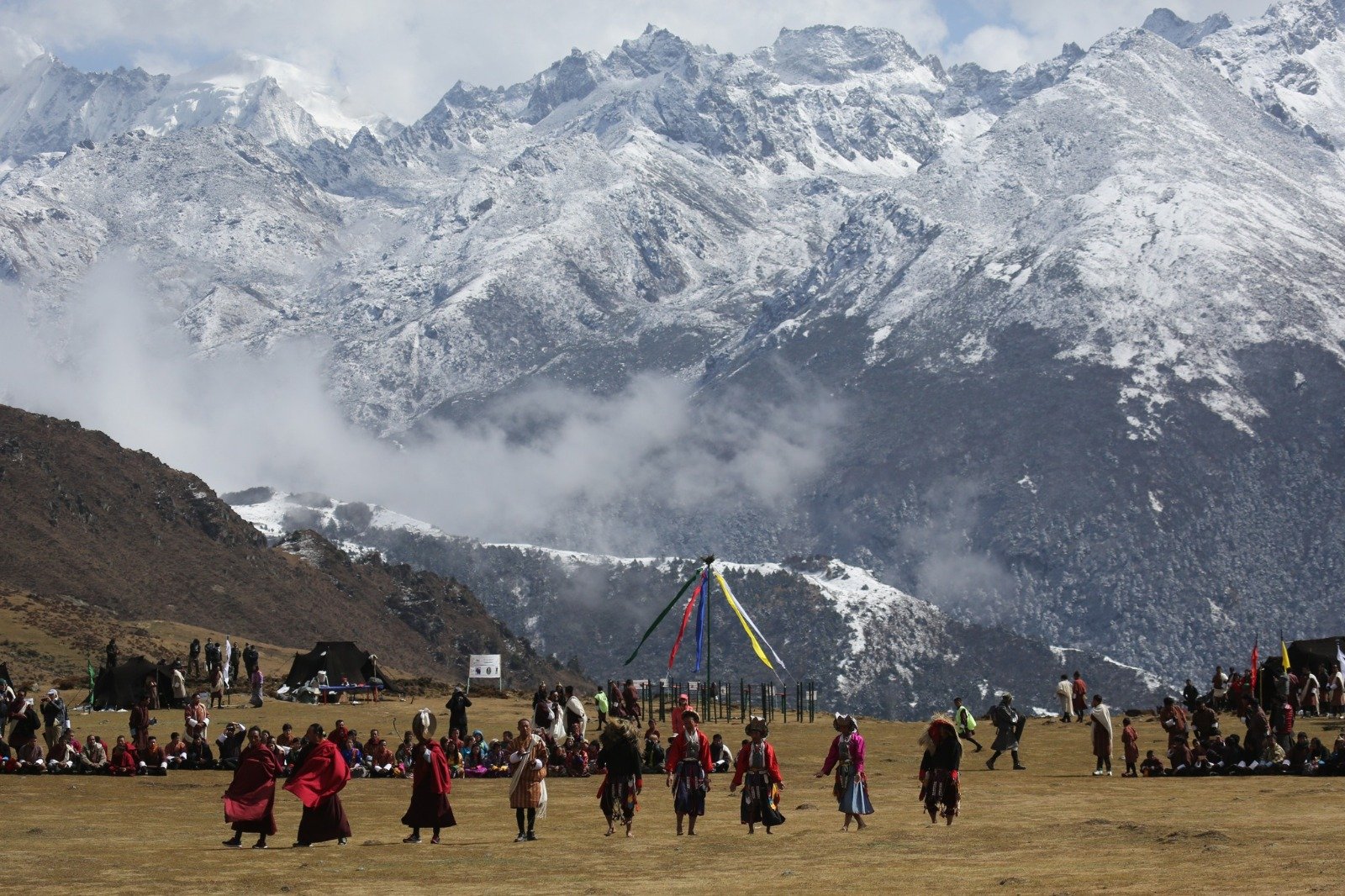
As the Kingdom of Bhutan continues to diversify its tourism sector, a new and vibrant rhythm is emerging for the 2026 travel season. Moving beyond the globally recognized iconic tsechus, the Department of Tourism and local communities have unveiled a calendar rich with local, community-led festivals. From April through November 2026, these events are designed to draw travelers deeper into the authentic textures of Bhutanese life, blending ancient folklore with modern conservation and wellness.
The season kicks off in April with a focus on Bhutan’s extraordinary biodiversity. The second edition of Rhododendron Week is scheduled for April 3–9 in Trashigang. This festival celebrates the 46 species of rhododendron found in the Kingdom, particularly in the highlands of Merak and Sakteng. The significance of this event was underscored by the presence of His Majesty King Jigme Khesar Namgyel Wangchuck and Her Majesty Queen Jetsun Pema at the previous opening, which drew over 8,000 attendees. Simultaneously, the Haa Spring Festival (April 7–9) will showcase nomadic mountain culture and local cuisine. The event remains a major draw for international visitors, with significant representation from the United States, India, and Europe.
As spring transitions into summer, the focus shifts toward the spiritual and the mythical. In May, the remote highlands of Sakteng will host The Great Yeti Quest (May 8–9), a unique event blending adventure with the enduring legend of the migoi, or Bhutanese yeti. This is followed by the Fertility Festival in Punakha (May 15–16), which remains a deeply spiritual celebration of renewal. By June, the pace softens as Bumthang hosts Bhutan for Wellbeing (June 13–14), an event that translates the philosophy of Gross National Happiness into a lived experience of mindfulness and holistic health.
The late summer and early autumn months highlight Bhutan’s ecological bounty and physical endurance. In August, the Matsutake Festivals in Thimphu and Bumthang celebrate the prized wild mushroom, linking rural livelihoods with seasonal rhythms. September shifts the energy toward sports and purification, featuring the grueling Tour of the Dragon (September 5) mountain bike race and the Bathing Carnival in Pemagatshel (September 22–24), a contemporary wellness gathering centered on the healing properties of water.
October serves as the cultural peak of the calendar. The Black Mountain Festival (October 5–6) and the Jomolhari Mountain Festival (October 14–15) celebrate indigenous conservation and yak-based highland livelihoods, respectively. These lead into the world-renowned Royal Highland Festival in Laya (October 23–24) and the ultra-endurance Snowman Race (October 24–28), which traverses some of the most challenging high-altitude terrain on Earth.
The 2026 calendar concludes in November with a tribute to conservation. The Black-Necked Crane Festival (November 11) in Gangtey honors the arrival of endangered migratory birds, while the Bhutan Bird Festival in Tingtibi (November 13–15) reinforces the Kingdom’s status as a global biodiversity hotspot. Together, these events offer travelers a unique opportunity to witness the resilience, spirituality, and natural heritage of Bhutan in a way that supports local communities and promotes sustainable tourism.