

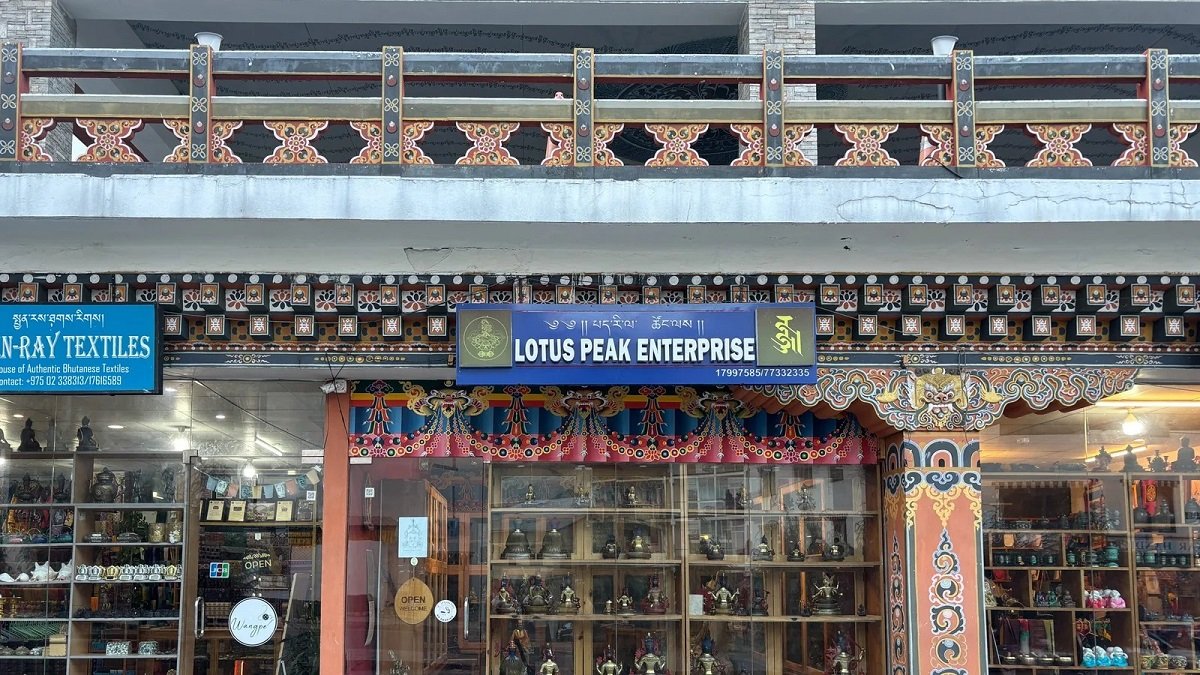
Nearly a year after Bhutan launched a nationwide crypto payment system for tourists in May 2024, the initiative has seen minimal adoption. The system allows visitors to pay for various services in over 100 cryptocurrencies via Binance, and initially, over 1,000 merchants signed up. However, reports indicate that actual usage has been very low, with many merchants stating that no customers have opted to pay in crypto, and tourists often remain unaware of this payment option.
Experts attribute the government’s push for cryptocurrency to Bhutan’s significant bitcoin reserves, acquired through hydroelectric-powered mining that began in 2019. As of October 2024, these reserves reached $1.4 billion, positioning Bhutan as the largest state-backed green-mined reserve globally. Nonetheless, structural issues slow down the transition to digital payments. With low literacy rates affecting one-third of the population and frequent power supply instability leading to 19 outages per year on average, experts warn that Bhutan is not conducive to such a digital currency experiment.
Economist Jay Zagorsky raised concerns that pushing for widespread cryptocurrency use amid these hurdles may not be sensible, contrasting Bhutan’s situation with past Bitcoin implementations in countries like El Salvador and the Central African Republic, both of which saw little adoption and ultimately reversed their decisions. Unlike these countries, Bhutan’s crypto payment system instantly converts transactions into its local currency, ngultrum, aiming to mitigate risks associated with crypto volatility. Despite the foundational infrastructure for a more extensive adoption, the current traction remains low with few merchants reporting usage, indicating a significant gap between policy ambition and market reality.
Ugyen Dendup, co-founder of NoMindBhutan, expressed skepticism regarding the expansion of cryptocurrency payments beyond the tourism sector in Bhutan, noting that there has been no significant implementation. He highlighted a lack of formalized cryptocurrency regulations, indicating that the current legal status exists in a “gray area” with mixed sentiments among stakeholders. As a result, it remains uncertain whether Bhutan will proceed with making bitcoin legal tender.