

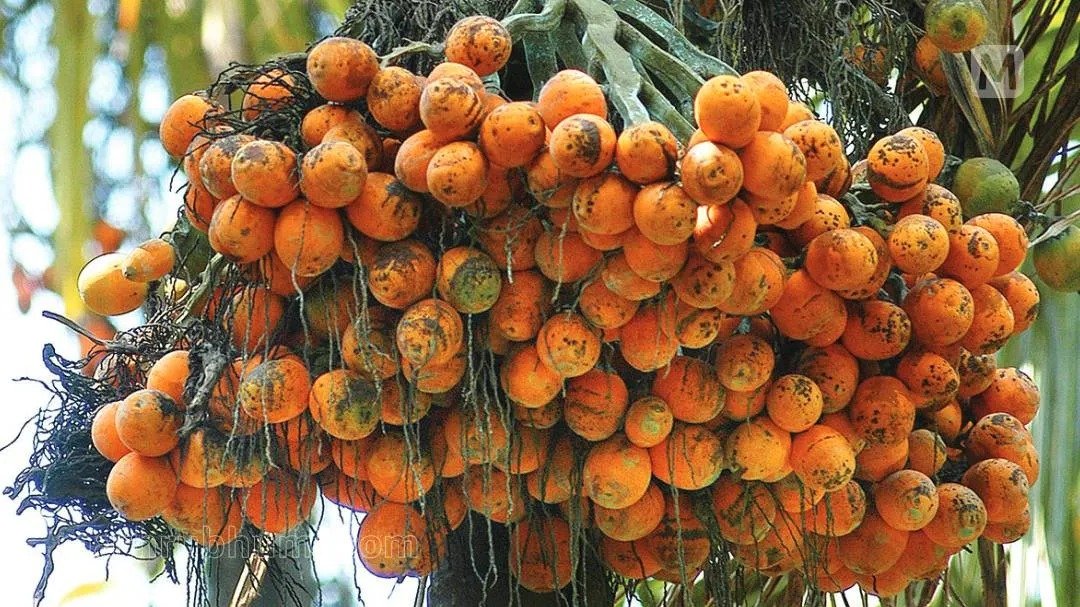
What began as a promising peak harvest season for areca nut (doma) growers in Sarpang has quickly turned into a period of uncertainty. Despite an initial boost in prices—reaching Nu 6,000 per quintal compared to last year’s Nu 5,700—farmers and exporters in Shompangkha and Dekiling gewogs are now grappling with a sudden market slowdown and a significant drop in buyer interest from across the border.
Over the past two weeks, exporters have reported a sharp decline in cross-border purchases. Prices for a single sack of areca nuts have plummeted by Nu 500 to Nu 1,000, severely impacting the profit margins of local traders. Industry insiders point to several converging factors for this slump, including early monsoon rains that hinder the drying process, rising fuel costs, and increased transportation expenses. Furthermore, the ongoing elections in neighboring Assam have led to a visible reduction in cross-border market activity.
Beyond these immediate market fluctuations, a deeper structural issue persists: the struggle to formalize the export route. Although a formal trade channel from Gelephu to Assam was introduced in 2024 to streamline domestic trade and align with Indian policies, much of the business remains informal. Exporters express frustration over the current formal system, citing major bottlenecks once consignments reach India.
Norbu Wangdi, a prominent exporter, noted that while exiting Bhutan is seamless, the customs clearance process in India can take anywhere from three days to a full week. For a perishable commodity like areca nuts, these delays lead to significant spoilage and financial loss. The absence of a plant quarantine facility at the Hatisar Land Customs Station further complicates the transition to legal, documented trade.
Agricultural officials acknowledge that while progress has been made, the formalization of areca nut exports remains only partial. Coordination issues with cross-border authorities and infrastructure gaps continue to drive traders toward long-standing informal relationships. Last year alone, Bhutan exported approximately 5,401 metric tonnes of areca nuts, valued at Nu 251.15 million, highlighting the sheer scale of the industry.
While the current atmosphere in Gelephu is one of concern, there is a lingering hope for a rebound. Many in the sector expect trade to normalize and prices to stabilize once the election period in the bordering areas concludes. Until then, the growers and exporters of Sarpang remain caught between fluctuating market demands and a trade system still finding its footing.