
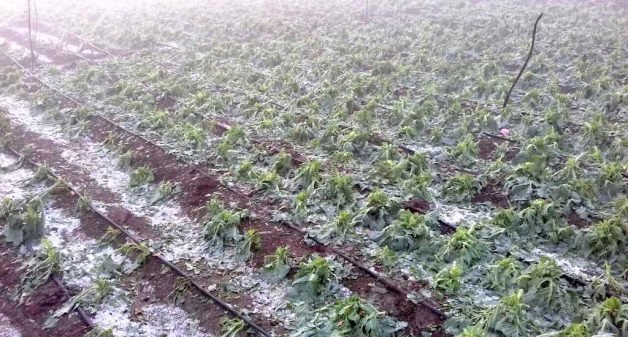
Residents of Sarpang Dzongkhag in Bhutan are grappling with the aftermath of what many describe as a once-in-a-lifetime weather event. On April 7, a violent hailstorm swept across the region, dropping hailstones ranging in size from marbles to cricket balls. The storm has left a trail of extensive destruction, severely impacting residential homes, poultry farms, vehicles, and the local agricultural sector. The brunt of the storm was felt in Samtenling Gewog, where residents reported hailstones falling with unusual force and sharp, spiked edges. Unlike previous storms, this event was powerful enough to pierce rooftops and shatter windows. Preliminary reports indicate that at least 30 residential roofs were damaged in Samtenling alone, while across the dzongkhag, rain gutters and windows were destroyed. The financial toll on infrastructure is significant; one farmer in Choekhorling estimated that repairing a single poultry farm roof would cost approximately Nu 500,000, illustrating the massive capital loss facing the community. The agricultural sector has suffered a particularly disheartening blow. In Tareythang Gewog, 31 households reported the destruction of nearly 300 fruiting areca nut trees. For many farmers, this represents a long-term economic crisis, as these trees require seven years of growth before they become productive. Seasonal crops, including beans, maize, and dragon fruit orchards, were also wiped out. Local leaders noted that these losses come at a time when areca nut prices were already declining, leaving farmers with little hope for a quick financial recovery before the onset of the monsoon season. The storm’s impact extended beyond farms to affect public gatherings and transportation. In Dawathang, where thousands had gathered for a religious empowerment ceremony, temporary shelters were torn apart. More than 100 vehicles parked in the vicinity sustained varying degrees of damage, ranging from dented bodies to cracked windshields and broken headlights. For owners of commercial vehicles, such as electric taxis, the repair costs—estimated at over Nu 21,000 for a single windshield—threaten to wipe out months of hard-earned income. While 12 gewogs across Sarpang reported significant damage, areas like Senggye and Chhudzom were fortunately spared the worst of the impact. As the skies clear, the local administration and residents are now focused on clearing debris and assessing the full scale of the economic loss. The disaster has prompted urgent calls for support as the community begins the difficult task of rebuilding their homes and restoring their livelihoods.
