

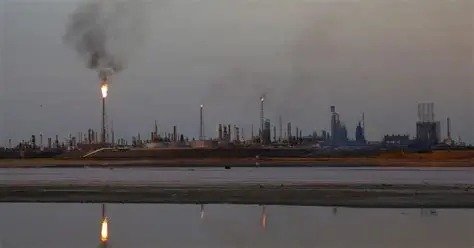
Cuba’s energy infrastructure faced a fresh blow this Friday as a fire broke out at the Ñico López Refinery in Havana. Though the Ministry of Energy confirmed the blaze was rapidly suppressed and an investigation is underway, the event has heightened anxieties over the island’s precarious fuel reserves. The timing is critical; the refinery fire occurred just as the nation entered a state of “severe energy limitation” following the total disruption of Venezuelan oil imports.
The logistics of Cuban survival have been fundamentally altered since the US military intervention in Venezuela earlier this year. With the seizure of Venezuelan tankers and the threat of new tariffs against third-party sellers, Cuba has lost its primary source of crude. The resulting domestic “gridlock” has forced the government to introduce aggressive fuel rationing, scaling back public transport, education, and even essential healthcare services.
The economic fallout is spreading to the tourism and aviation sectors. A critical lack of jet fuel has turned Havana’s airport into a ghost town as global carriers cancel routes, citing the inability to refuel. This isolation is being met with international concern; UN Human Rights Chief Volker Türk expressed extreme alarm at the worsening conditions, even as Mexican aid shipments attempt to provide temporary relief. For the average Cuban, the refinery fire is not just a technical failure but a symptom of a broader economic siege that began in 1960 and has now reached a fever pitch in 2026.