

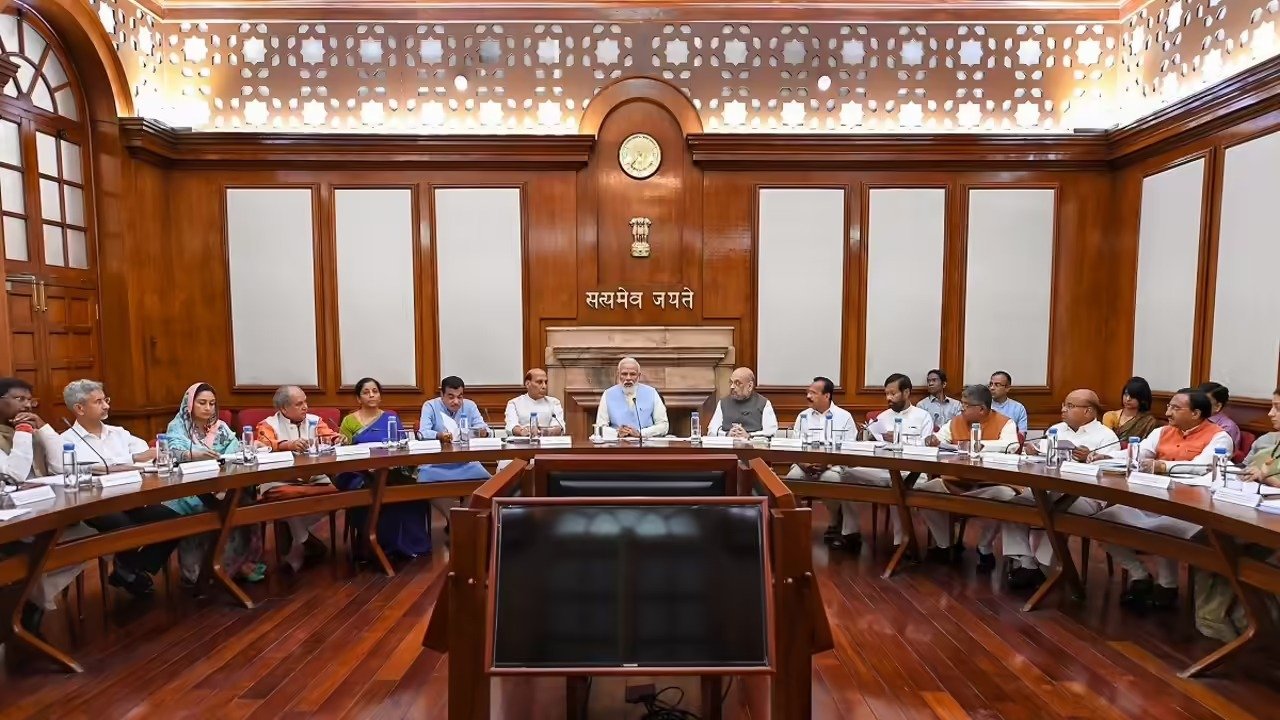
In a landmark moment for Nepal’s political history, Prime Minister Balendra “Balen” Shah has achieved what many predecessors could not: a Cabinet where 33 percent of the ministers are women. While inclusive policies have been on the books for nearly two decades, today marks the first time the federal government has translated that mandate into reality, appointing five women to lead critical national portfolios. The special swearing-in ceremony took place today at Shital Niwas, where President [Name] administered the oath of office and secrecy. The 15-member Cabinet, headed by senior Rastriya Swatantra Party (RSP) leader Balen Shah, reflects a diverse tapestry of Nepal’s social fabric, including representatives from the Khas Arya, Dalit, Madhesi, and Tharu communities. This 33 percent representation shatters previous records. The closest the country came to this feat was in 2022, with a 26 percent representation, while larger cabinets in 2011 and 2017 saw figures as low as 24 and 15 percent, respectively.
Speaking to the media after the ceremony, Minister Sita Badi highlighted the precarious situation of marginalized women, promising “result-oriented initiatives” to improve their socioeconomic status. Her sentiment was echoed across the new leadership, many of whom—like Sobita Gautam and Geeta Chaudhary—bring strong legal backgrounds to their respective ministries. By fulfilling the 33 percent requirement—which was previously encouraged but not mandatory for the Cabinet—Prime Minister Shah has set a new benchmark for governance. As these five leaders begin their terms, the nation watches to see how this inclusive approach will shape the future of Nepali policy and administration.