

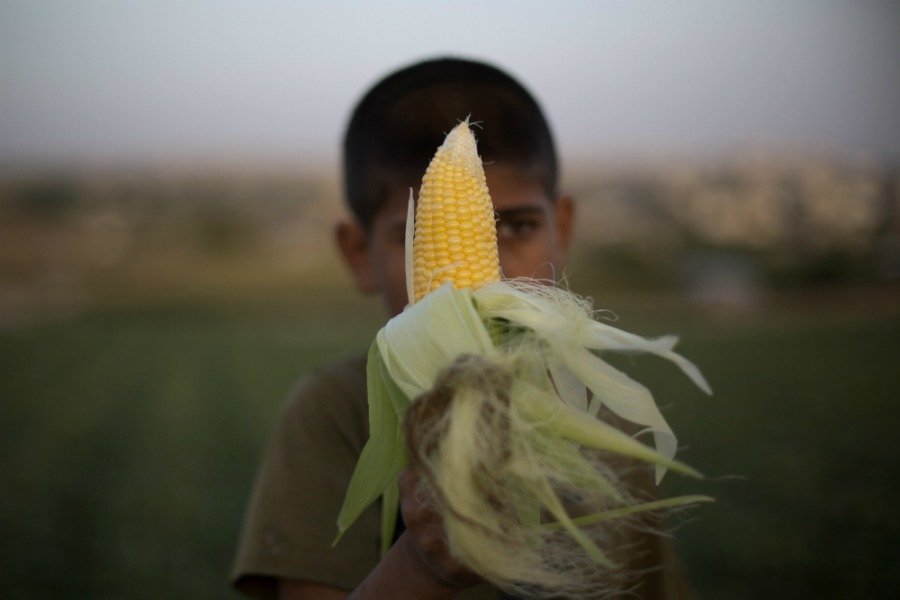
In the quiet gewog of Logchina, a crisis is unfolding that threatens the very survival of its farming community. For generations, ginger and maize have been the lifeblood of this region, but changing weather patterns are turning once-productive fields into sites of struggle. Today, we look at how climate variability is pushing local farmers to the brink. Logchina Gewog is currently a landscape of uncertainty. For nearly 90% of households here, ginger is not just a crop—it is the primary source of income. Maize, the community’s food staple, is equally vital. However, the reliable farming routines of the past have been replaced by a desperate fight against nature.
Heavy rainfall and high humidity have created a breeding ground for disaster. Ginger crops are rotting in the soil, while armyworms devastate maize stalks. Farmers like Atam Rai, who has worked the land for 15 years, say the physical labor of clearing stones and preparing soil is no longer a guarantee of a stable paycheck. In a good year, a family might earn Nu. 100,000; in a bad year, that income can vanish entirely.
The struggle is not just about the weather; it is about the rapid spread of disease. Local resident Menu Kumari Ghalley notes that while farming was once stable, the last decade has brought unprecedented losses. The “backbone” of the village—its ginger production—is drying up and turning yellow.
Local authorities are attempting to intervene. In 2025, the gewog administration distributed Cypermethrin to combat pests. While the medicine provided slight relief, it has failed to stop the spread. Gewog Agriculture Officer Gyembo Dorji explains that the infection is often spread by the rain itself; droplets hitting diseased plants carry pathogens to healthy ones across vast fields.Despite technical guidance on drainage and seed treatment, the core of the problem remains the uncontrollable climate. The story of Logchina is a reflection of a broader challenge facing all of Bhutan: as weather patterns shift, traditional farming must adapt or risk becoming a memory. For the people of Logchina, the hope is that the government will hear their voices and provide the climate-resilient support needed to save their livelihoods.