

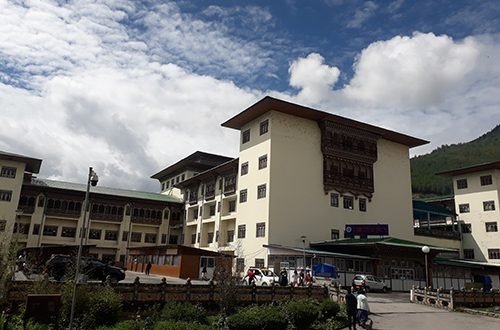
In Bhutan, having a child is closely linked to family expectations, social acceptance, and emotional fulfillment. However, a growing number of couples are unable to conceive naturally, facing not only medical difficulties but also social pressure and emotional strain. As infertility gains attention as a public health issue, the healthcare system has introduced medical support, including Intrauterine Insemination (IUI), which is currently offered at Jigme Dorji Wangchuck National Referral Hospital (JDWNRH).
IUI services were launched in 2016 as part of the Ministry of Health’s efforts to strengthen infertility care, using existing facilities and resources at minimal cost. The service is provided free of charge under Bhutan’s universal healthcare policy. The initiative was introduced in response to declining fertility trends, with Bhutan’s Total Fertility Rate falling to around 2.0 and annual live births steadily decreasing.
Clinical experience shows infertility often results from both male and female factors, such as tubal damage in women and poor semen quality in men. Most couples seeking IUI are in their early to mid-30s, often after years of unsuccessful attempts. While IUI outcomes remain modest, results have gradually improved. Looking ahead, plans are underway to introduce IVF and expand fertility services nationwide.