

As of April 11, 2026, the global disruption in fuel supply has generated long queues at fuel stations and rising prices, significantly impacting daily life in many countries, including Bhutan. This crisis emphasizes Bhutan’s vulnerability due to its complete dependence on imported fossil fuels, which affects livelihoods, government budgets, and the tourism sector. The government spends approximately Nu 1.3 billion on fuel subsidies monthly, a situation that is clearly unsustainable in the long term.
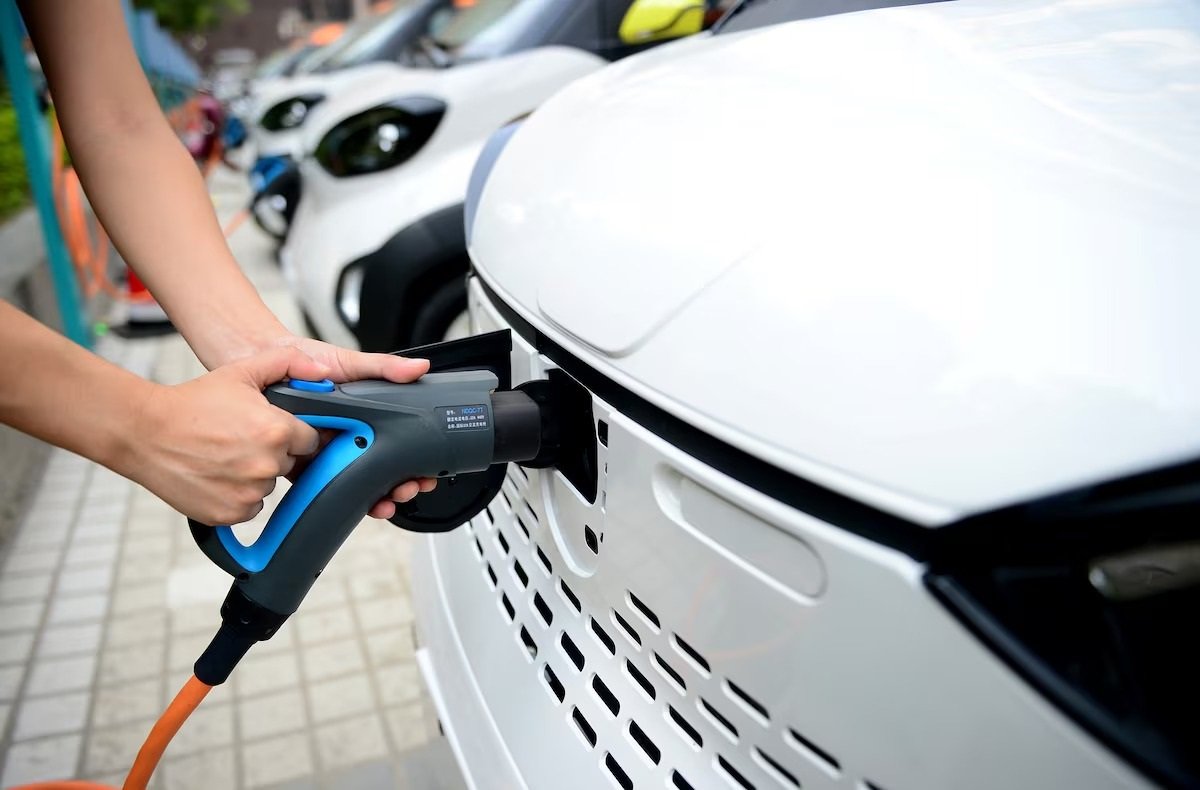
The current fuel shortages present an opportunity for Bhutan to accelerate the transition towards electric mobility and a greener transport system. Bhutan, already carbon negative thanks to its hydropower-based electricity generation, faces a paradox where the transport sector is its largest source of emissions and a significant drain on foreign exchange, with fuel imports costing Nu 18.8 billion in 2025 alone. Electric vehicles (EVs) emerge as a viable alternative, reducing fuel dependency, lowering emissions, and enhancing air quality while simultaneously decreasing long-term transport costs.
The e-mobility initiative in Bhutan began with the taxi sector, recognized as a significant fuel consumer with a direct impact on public perception. Supported by the Royal Government, UNDP, and GEF, the transition from fossil fuel to electric taxis has been life-altering for many operators, leading to substantial reductions in operational costs and increased incomes. This success has bolstered public confidence in EVs, demonstrating their effectiveness in Bhutan’s unique topography and climate.
Furthermore, the UNDP’s efforts focused not only on introducing electric taxis but also on establishing a comprehensive EV ecosystem. This involved addressing regulatory barriers, creating innovative financing options, expanding charging infrastructure, and enhancing institutional knowledge and public awareness. As a result, electric vehicle presence in Bhutan grew from just 99 in 2017 to over 1,100 by the end of 2025, with ongoing plans to introduce electric buses in Thimphu and to expand charging networks nationwide.
The fuel shortage highlights the critical need to expedite this transition towards electric mobility. Bhutan’s reliance on its domestic clean electricity resources can safeguard the nation from global fuel supply disruptions. This shift not only contributes to stabilizing transport costs but also helps address the trade deficit through reduced import bills and enhances the overall resilience of the economy.
Looking forward, Bhutan aims for zero-emission mobility by 2050, an ambitious but feasible goal, given the existing foundations. Immediate investment in the transport sector’s greening is essential. The current fuel crisis should not merely be approached with temporary solutions but seen as a catalyst for sustainable change. UNDP continues to be committed to this journey of developing inclusive, affordable, and sustainable electric mobility in Bhutan as the nation moves toward a future where transport is characterized by clean energy sources, contributing significantly to both climate goals and national resilience.