

Kazakhstan is leading this charge by blending national pride with high-tech preparation. The launch of the Qaztourism online academy has already professionalized thousands of local industry workers, while global icons like singer Dimash Kudaibergen are turning the country’s vast landscapes into television stars for billions of viewers. This May, the “Solana City” project in Astana will further blur the lines between tradition and contemporary cool, hosting stars like Nicole Scherzinger alongside traditional ethno-yurts. Perhaps most ambitious is the new “cross-border tourist ring,” which connects Kazakhstan with its neighbors, offering travelers a seamless, border-hopping Silk Road adventure.
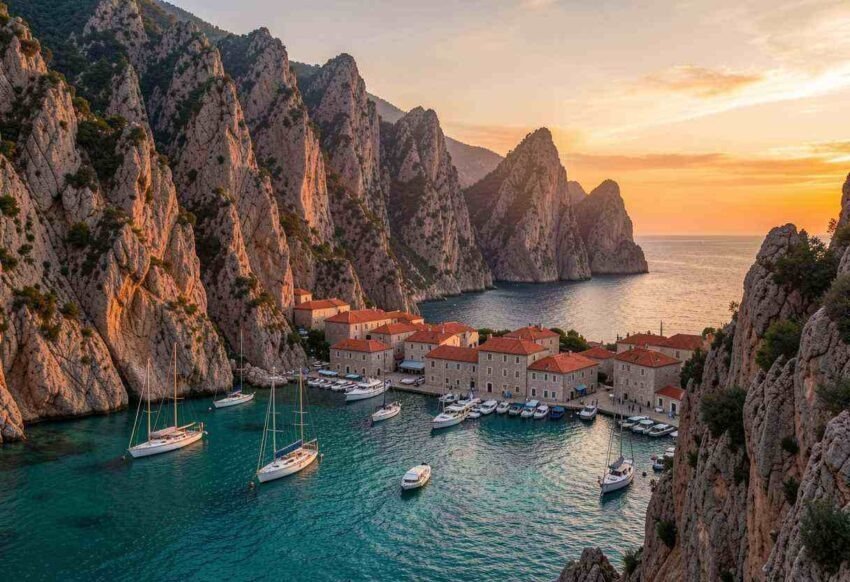
Meanwhile, in the Balkans, Montenegro is proving that small nations can have a massive impact through smart connectivity. By partnering with Wizz Air to open a major new base in Podgorica this March, the country is adding one million seats and 17 new routes across Europe. This accessibility is matched by a strict 2022-2025 development strategy that prioritizes green, inclusive, and sustainable practices, positioning Montenegro as a responsible Adriatic alternative to overcrowded Mediterranean hubs.
Further east, Bhutan continues to refine its “high value, low volume” philosophy. Under its 2025-2034 Tourism Master Plan, the kingdom has transitioned toward “regenerative tourism.” While the Sustainable Development Fee has been strategically adjusted to one hundred dollars per day to remain attainable, the focus remains on deep, low-impact experiences that give back to the local community and environment.
In the Indian Ocean, Seychelles is utilizing a sophisticated, data-driven approach to protect its paradise. By grounding policy in statistics rather than intuition, the government has implemented moratoriums on large-scale developments and introduced a tiered environmental sustainability levy. Even as it expands long-haul connectivity to Paris and Rome, Seychelles is using interactive dashboards to monitor arrival trends, ensuring that the influx of tourists never compromises the islands’ natural integrity.
Whether it is Uzbekistan opening its ancient gates or Iceland refining its tourism model through smart taxation, the message for 2026 is clear: the modern traveler is seeking authenticity, sustainability, and fresh perspectives. As these emerging nations unite in their ambition, the global tourism industry is being forced to evolve, shifting the world’s focus toward destinations that value identity just as much as infrastructure. The global travel map is undergoing a radical transformation. As we move through 2026, a “tourism shockwave” is rippling across the globe, driven by six emerging destinations that are successfully challenging traditional hotspots. From the nomadic heart of Central Asia to the regenerative peaks of the Himalayas, countries like Kazakhstan, Bhutan, and Montenegro are no longer just “alternative” options—they are becoming the new standard for modern, meaningful travel.