

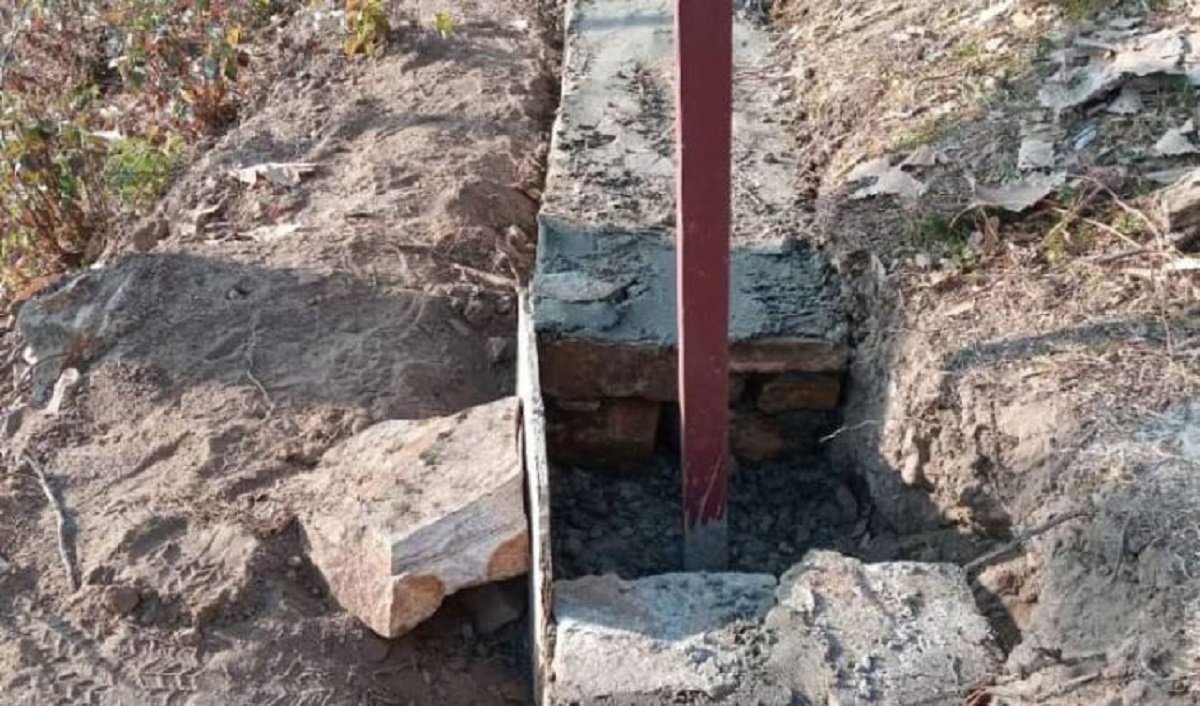
Residents of Khalong village in the Narang Gewog of Mongar Dzongkhag are optimistic about enhanced agricultural security and improved livelihoods due to the installation of a comprehensive chain link fencing system designed to protect farmland from wildlife intrusion. This remote village, known for its agricultural significance, relies mainly on crop cultivation and vegetable farming for income. To address persistent challenges such as crop damage from wild animals, chain link fencing is being installed across 44 community areas, covering about seven kilometres, with support from the Department of Agriculture.
Khalong Tshogpa Tshewang Lhendup highlighted the need for this project, noting the extensive damage caused by wildlife, including wild boars and deer, which forced farmers to spend extended periods in their fields to ward off threats. He reported that nearly 50 percent of cash crops were lost due to wildlife, and expressed hope that the fencing will offer robust protection and improved agricultural productivity.
Previously, farmers faced difficulties managing land boundaries and protecting their fields from encroachment by animals. The fencing project is anticipated to enhance safety, clarify land demarcation, and yield long-term benefits for community development, with expectations for the infrastructure’s effectiveness lasting 20 to 30 years.
Local farmers, including Tashi Wangmo and Nidup Lhamo, echoed similar sentiments, sharing experiences of crop damage and safety concerns due to stray animals. With the fencing in progress, they anticipate better crop protection, reduced losses, and a more secure environment for vegetable farming—a vital component of their livelihoods. Tshering Wangchuk also mentioned the historical struggles of managing livestock and wildlife on farmland, expressing hope for improved crop protection once the fencing is completed.
Community members believe that by minimizing the need for constant oversight of fields, the fencing initiative will allow farmers to focus more on cultivation, potentially enhancing household income and food security over time. This project is part of broader efforts to mitigate human-wildlife conflict, particularly in rural areas where agriculture predominates. As installation continues, villagers view the fencing as a crucial step towards strengthening agricultural sustainability and safeguarding community resources, paving the way for more reliable crop production for future generations.