

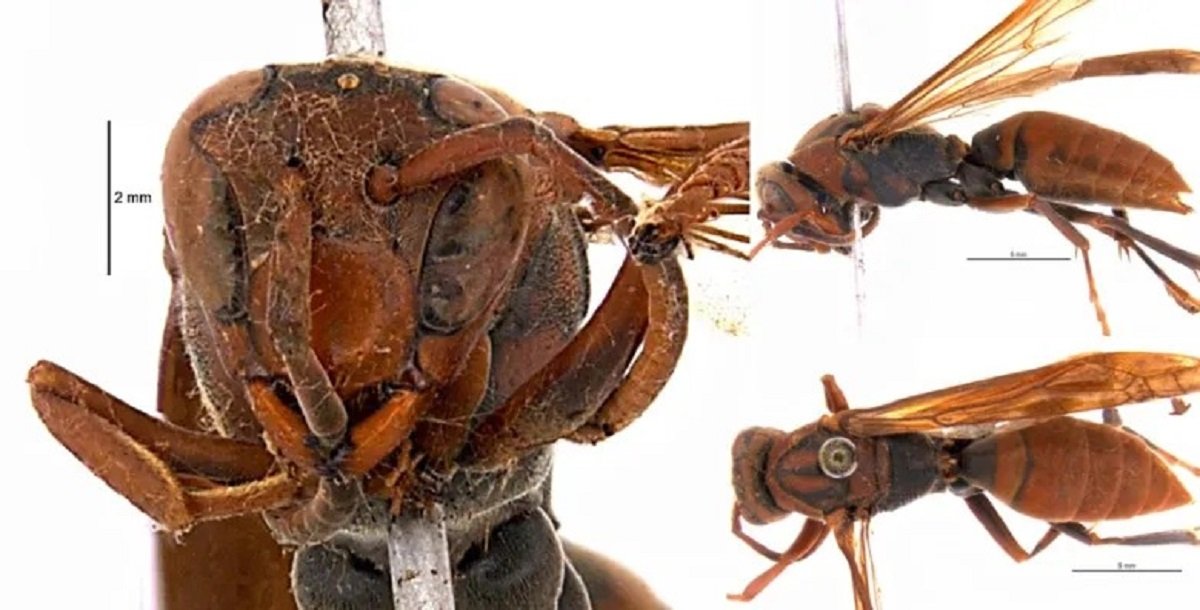
A wasp species previously known only from Bhutan has now been recorded in India for the first time, following a biodiversity survey in Arunachal Pradesh’s Tawang district.
The species, Antepipona bhutanensis, was documented by researchers from the Zoological Survey of India, highlighting possible faunal connections across the eastern Himalayan region. The findings were published in the journal Oriental Insects.
The study, led by Dibyajyoti Ghosh along with a team of scientists, was based on field surveys conducted between 2019 and 2022 across locations such as Tawang, Jang, Lumla, and Zemithang. Using methods like pan trapping, transect walks, and sweep netting, researchers recorded 19 species of vespid wasps across 10 genera in diverse habitats including forest edges, riverine zones, and agricultural landscapes.
The discovery of Antepipona bhutanensis marks its first confirmed presence in India and points to the ecological continuity of the Eastern Himalaya, a globally recognized biodiversity hotspot that remains underexplored for insect diversity.
In addition, the study reported Polistes assamensis and Polistes santoshae as new records for Arunachal Pradesh, indicating gaps in earlier documentation. An updated checklist compiled by the researchers places the state’s wasp diversity at 73 species across 27 genera and four subfamilies, reflecting significant taxonomic richness.
Field observations also noted key behavioural patterns, including wasps foraging on flowering plants, nesting in croplands and forest fringes, and acting as predators. Species such as Vespa mandarinia were observed attacking honeybee colonies, underlining their ecological role.
Researchers emphasized that wasps play a crucial part in ecosystems as natural pest controllers, pollinators, and indicators of environmental change. The findings underscore the need for more systematic surveys in the Eastern Himalayas, as large parts of the region, including Tawang, remain insufficiently documented and may hold many more undiscovered species.