

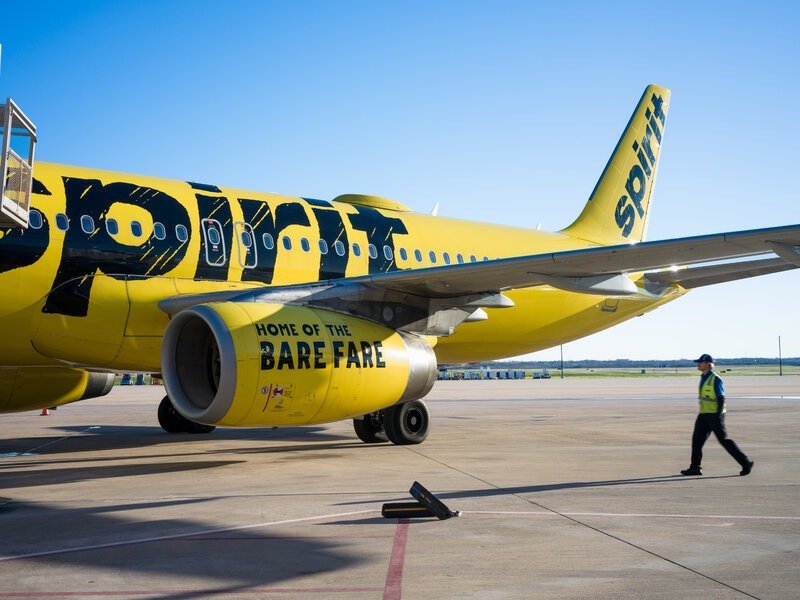
The announcement marks a somber end for a carrier that fundamentally changed how Americans travel. By unbundling services and offering “bare fare” tickets, Spirit forced legacy carriers to adapt, though often at the cost of its own reputation for customer service. However, the aggressive model that made them famous eventually led to their undoing. According to a company statement, a “material increase in oil prices”—exacerbated by the ongoing conflict in Iran—coupled with a lack of available funding, left the board with no choice but to cease all flights immediately.
The airline’s financial health had been in a precarious state for years. Since the onset of the COVID-19 pandemic in 2020, Spirit struggled to recover, accumulating over $2.5 billion in losses. The situation grew dire enough to force two separate bankruptcy filings in less than two years. Despite reporting $8.6 billion in assets during its August 2025 filing, the weight of $8.1 billion in debt proved insurmountable when paired with the surging cost of jet fuel.
The final hope for the airline rested on a taxpayer-funded takeover proposed by the Trump administration. President Trump confirmed on Friday that a “final proposal” had been extended to keep the carrier afloat. However, negotiations stalled, and by Saturday morning, the airline confirmed the shutdown. The impact is staggering; beyond the immediate cancellation of all scheduled flights, approximately 17,000 employees now face an uncertain future. For the travel industry, the loss of Spirit signals a significant reduction in competition within the budget sector, likely leading to higher fares for travelers who once relied on the airline’s impish, irreverent, and undeniably cheap approach to flying.