

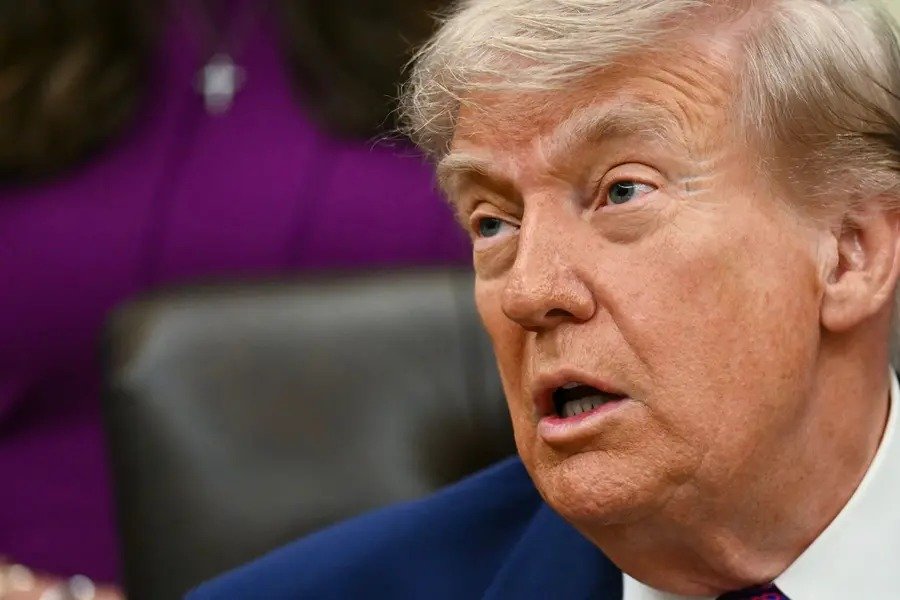
The fragile month-long ceasefire between the United States and Iran is teetering on the brink of collapse. Speaking from the Oval Office on Monday, President Donald Trump described the current diplomatic status as being on “massive life support,” likening the deal’s chances of survival to a patient with a mere 1% chance of living. While the President acknowledged that the cessation of hostilities remains technically in place, he characterized the agreement as “unbelievably weak” and accused Iranian leadership of being “dishonorable” actors who frequently renege on their commitments.
The rhetorical firestorm intensified following Trump’s blunt rejection of a 14-point counter-proposal submitted by Tehran on Sunday. The Iranian offer reportedly demanded an immediate end to the war on all fronts—including a cessation of Israeli operations against Hezbollah in Lebanon—as well as the lifting of the U.S. naval blockade on Iranian ports and financial compensation for war damages. President Trump dismissed the document entirely, labeling it a “piece of garbage” and “totally unacceptable.” He further alleged that Tehran has backtracked on a critical agreement regarding the removal of enriched uranium, doubling down on his vow that Iran will “never have a nuclear weapon.”
In Tehran, the response was swift and defiant. Iranian parliamentary speaker Mohammad Ghalibaf took to social media to warn that the nation’s armed forces are “ready to respond” to any perceived aggression. Ghalibaf insisted that the 14-point proposal is the only viable path forward, suggesting that the U.S. refusal to recognize Iranian rights would ultimately result in a mounting financial burden for American taxpayers. Foreign Ministry spokesperson Esmail Baghaei echoed these sentiments, defending the proposal as “responsible” and “generous,” while cautioning that Iran is prepared to act in any way necessary to secure its national interests and sovereignty over the Strait of Hormuz.
With the diplomatic channel seemingly frozen and the rhetoric reaching a fever pitch, the international community remains on high alert. The ceasefire, which has been largely observed since April despite sporadic skirmishes, now appears more precarious than ever as both nations remain deadlocked over the terms of a lasting peace.