

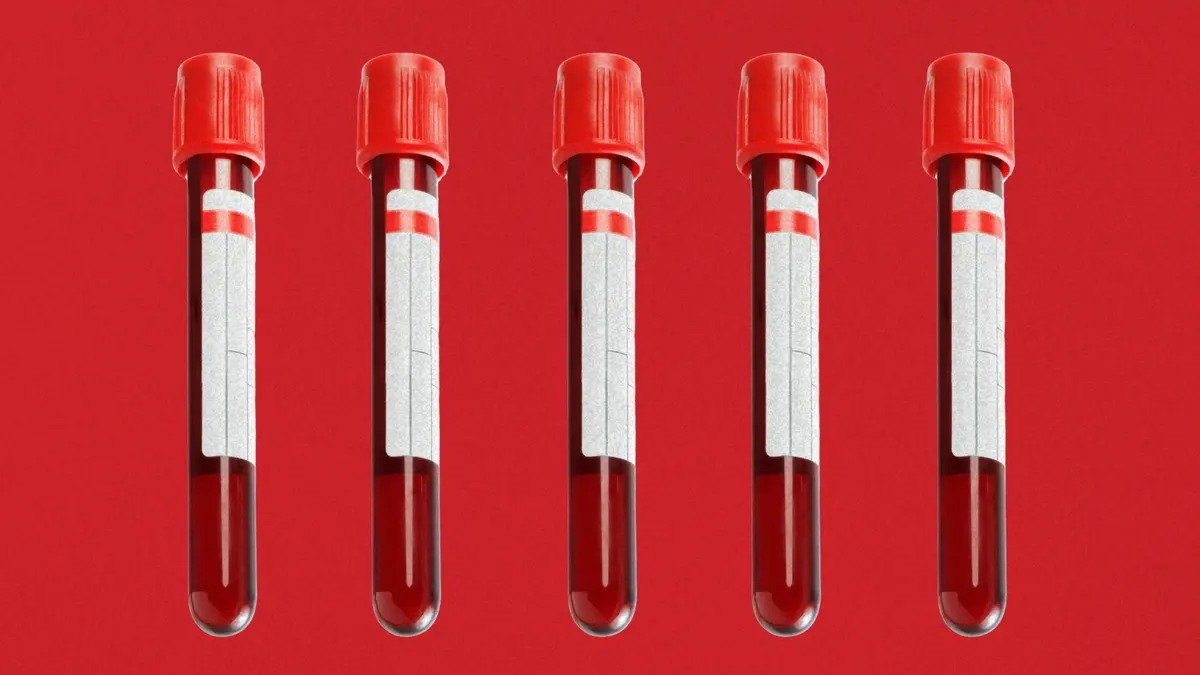
The healthcare infrastructure in Jhapa is currently facing a dual crisis as the Nepal Red Cross Society reports a significant surge in blood demand alongside a worrying trend in donor health screenings. Over the last five fiscal years, mandatory testing at blood transfusion service centers in Bhadrapur, Birtamod, and Damak has identified 29 donors whose blood samples tested reactive for HIV. These cases were detected as part of a rigorous, non-negotiable screening process that tests every unit of donated blood for HIV, hepatitis B, hepatitis C, and syphilis before it is cleared for medical use.
According to Shishir Dahal, the in-charge of the Bhadrapur blood transfusion service center, the statistical climb is cause for concern. The data reveals a sharp upward trajectory: starting with just one HIV reactive donor in fiscal year 2078/79, the number rose to two in 2079/80, six in 2080/81, and spiked to 14 in the 2081/82 period. In the current fiscal year 2082/83, six cases have already been recorded. Dahal emphasized that the Red Cross does not simply discard the blood; they ensure that donors with reactive results are referred for confirmatory clinical testing and receive the necessary psychological counseling to manage their diagnosis.
While these screening procedures successfully safeguard patients from transfusion-transmitted infections, the district is struggling to keep up with an escalating clinical need for blood. The Red Cross currently supplies more than 17,000 units of safe blood annually to various hospitals, yet shortages remain a recurring problem. These deficits are most acute during the monsoon season and peak agricultural cycles when local donation programs see a sharp decline in participation. The pressure on the supply chain is further intensified by a rising number of patients requiring regular transfusions for chronic conditions, including cancer, end-stage kidney disease, and severe anemia.
Health officials stressed that the identification of these reactive cases actually highlights the effectiveness of the current safety protocols. The pre- and post-donation screening procedures are the primary line of defense in protecting the public from accidental infection. However, the data also points to a broader public health challenge within the community. To combat both the shortage and the infection rates, the Nepal Red Cross Society is calling for more frequent, high-quality donation drives and increased public awareness regarding donor health. Ensuring a steady, safe, and reliable blood supply remains the top priority for Jhapa’s medical community as they navigate these complex health dynamics.