

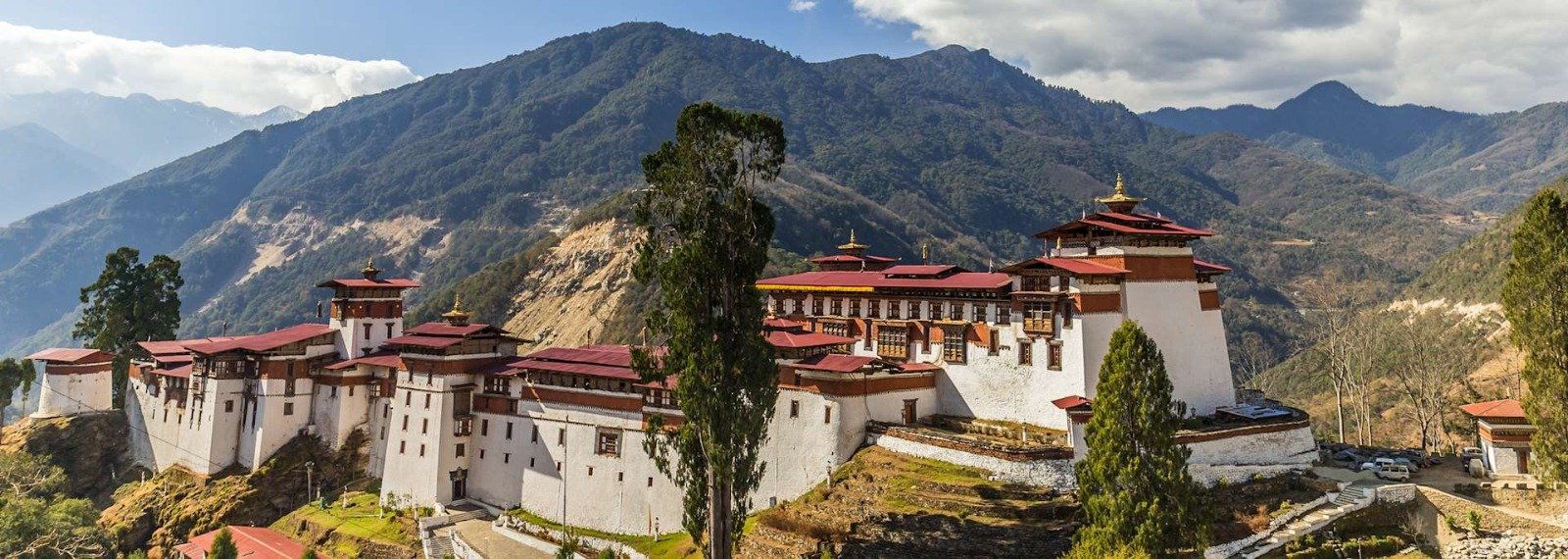
Perched strategically on a ridge overlooking the historic Trongsa Dzong, the cylindrical stone walls of Ta Dzong no longer echo with the sounds of military vigilance. Instead, they resonate with the quiet reverence of a nation’s history. Originally built in 1652 by Chogyal Minjur Tempa to guard against internal rebellion, this five-storey watchtower has successfully transitioned from a defensive sentinel into the Royal Heritage Museum, a state-of-the-art institution dedicated to preserving the cultural identity of the Kingdom of Bhutan.
The transformation, completed in 2008 with Austrian support, marked a pivotal moment in Bhutan’s efforts to safeguard its monarchical legacy. As the ancestral seat of the Wangchuck dynasty, Trongsa holds a profound political significance; the position of Trongsa Penlop (Governor) has traditionally been the stepping stone to the Golden Throne. It was here in 2004 that His Majesty King Jigme Khesar Namgyel Wangchuck was installed as the 16th Trongsa Penlop, affirming his role as the heir to the throne.
Today, the museum serves as a sanctuary for over 300 priceless artifacts. The centerpiece of the collection is the Raven Crown, or Uzha Jarog Dongchen. Featured in a striking central showcase, the crown symbolizes the guardian deity Mahakala and represents the divine protection and spiritual authority of Bhutan’s kings. Other intimate glimpses into the lives of the monarchs include a radio gifted to the Third King by an American friend and the original Genja (oath of allegiance) from 1907, which solidified the nation’s transition to a monarchy.
What distinguishes Ta Dzong from conventional galleries is its status as a “living museum.” It houses two active temples where monks perform daily Yoenchhap (water offerings), ensuring that the spiritual pulse of the site remains beating. This blend of faith and history has proven a significant draw; despite its remote location, the museum welcomed over 6,700 visitors in 2025 alone, a testament to its role as a premier cultural destination for both high-end tourists and local students.
As part of the broader “Museums of Bhutan” initiative, Ta Dzong is currently undergoing further revitalization. This national campaign aims to upgrade conservation facilities and transform museums into community hubs that connect traditional values with modern educational programs. By integrating interactive learning and maintaining rigorous preservation standards, Ta Dzong ensures that the legacy of the Wangchuck dynasty and the spirit of Bhutanese heritage remain accessible and engaging for generations to come.