

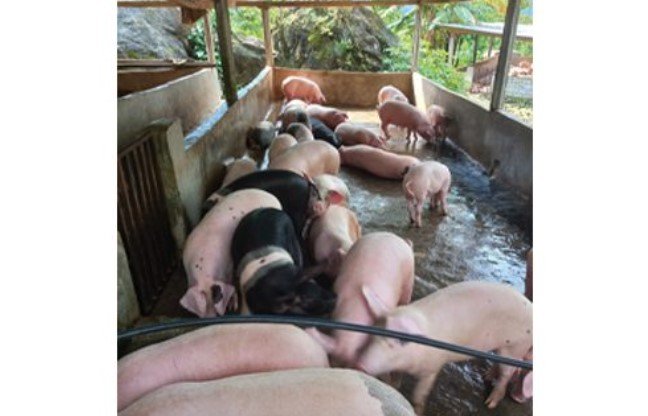
A catastrophic outbreak of African Swine Fever (ASF) has swept through the Samtse district of Bhutan, decimating local piggery farms and plunging rural communities into severe financial distress. In gewogs like Norbugang, entire pigsties have been completely emptied as the highly contagious virus has killed hundreds of animals, wiping out tens of millions of Ngultrum in livestock value. For the majority of these smallholder and backyard farming households, pig rearing is not a secondary hobby but their primary livelihood, essential for funding daily household necessities, bank loan repayments, and children’s education.
Compounding the tragedy, a massive “insurance gap” has left the vast majority of affected families entirely ineligible for financial compensation, exposing the fragile nature of the rural agricultural economy. Although the government recently introduced a voluntary national livestock insurance scheme—offering a 50 percent premium subsidy in collaboration with the Royal Insurance Corporation of Bhutan Limited (RICBL)—the relief program came too late. Most of the devastated herds were already reared before the policy passed through Parliament. Furthermore, a critical lack of awareness in remote villages, combined with skyrocketing animal feed costs and declining market pork prices, prevented struggling farmers from enrolling in the program before the epidemic hit. Under current state guidelines, compensation is strictly limited to uninfected pigs culled during early preventive containment, leaving those whose herds succumbed directly to the virus with zero institutional support. Left with empty sheds and mounting debts, desperate local leaders and ruined farmers are pleading for immediate emergency government relief, warning that relying solely on a lagging insurance framework will permanently cripple the region’s domestic livestock sector.