

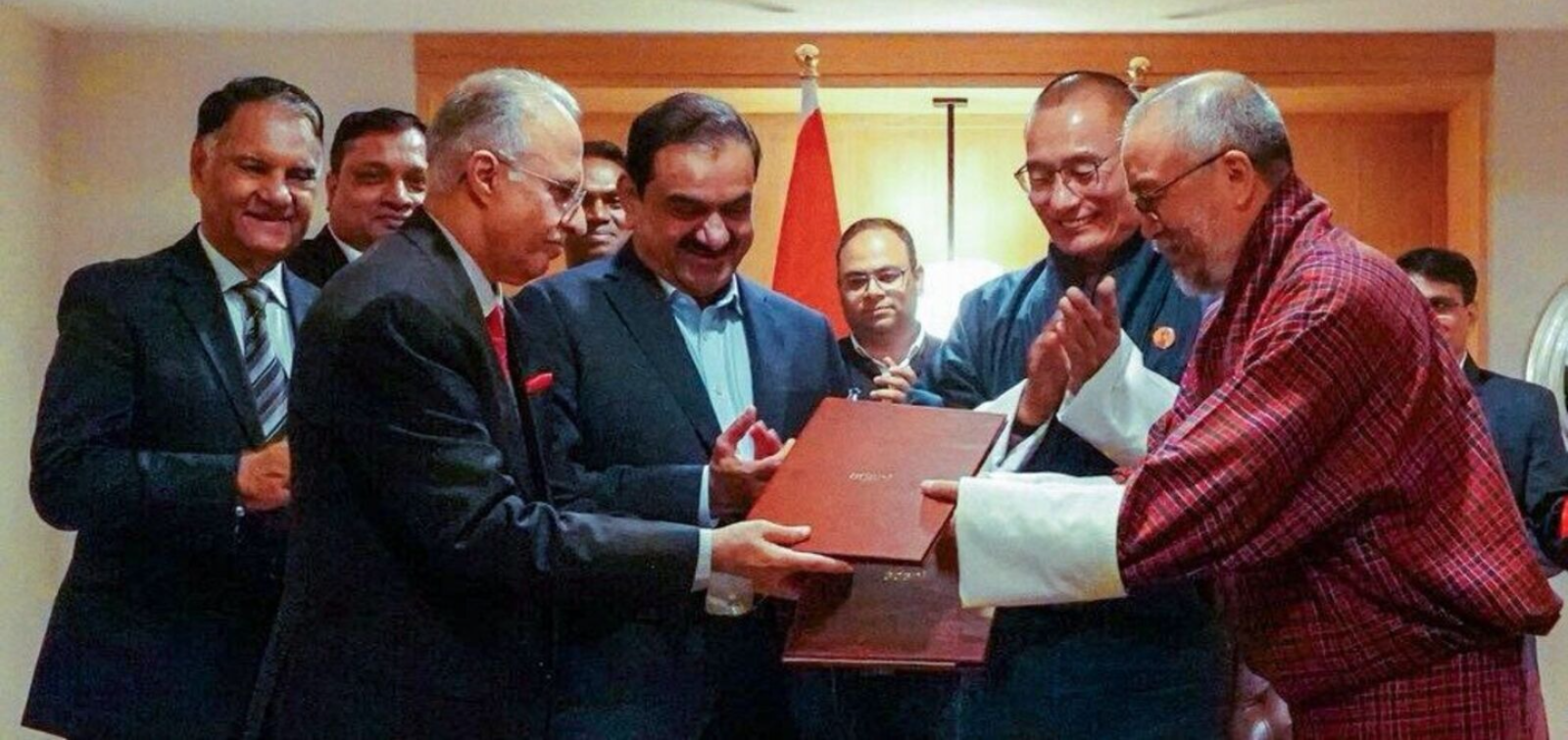
Bhutan has unveiled an ambitious $26-billion clean energy roadmap to develop 20 gigawatts of additional hydropower and solar capacity by 2040, positioning the Himalayan kingdom as a premier destination for energy-intensive industries such as artificial intelligence data centres alongside major legislative and climate-resilience initiatives. Outlining the vision at a press conference in Gelephu, Gelephu Investment Development Corporation Chairman Ujjwal Deep Dahal highlighted that this massive green expansion is already attracting major Indian institutional and corporate partnerships. State-owned Druk Green Power Corporation (DGPC) signed a memorandum of understanding with REC Limited for up to ₹450 billion in financing toward approximately 5,000 MW of renewable projects, building on REC’s existing ₹34 billion debt commitment for the 180 MW Bunakha reservoir scheme. Simultaneously, Adani Power is moving forward with plans to co-develop 5,000 MW of hydropower with DGPC, including newly inked agreements for the Wangchhu and Chamkarchhu projects totaling 1,340 MW under a 49:51 equity structure, marking their second collaboration after the 570 MW Wangchhu deal in September 2025. Beyond energy infrastructure, Bhutan’s National Assembly unanimously adopted a landmark motion moved by Khenkhar-Weringla MP Dorji Wangmo to enforce tougher laws and institutional accountability against sexual offences involving children, spurred by public outrage over the recent rape and murder of a 12-year-old girl in Kabesa. Lawmakers cited alarming national figures, including 59 police-recorded cases of rape involving children over twelve alongside 35 molestation and eight statutory rape cases last year, 550 sexual offence cases between 2022 and 2025, and 661 cases of violence against children logged by The PEMA Secretariat from June 2023 to September 2026—of which 67 per cent involved sexual violence—prompting a directive for the Office of the Attorney General to complete a legal review within four months. On the domestic governance front, authorities are awaiting broader economic ripple effects from the Seventh Pay Commission’s ongoing review of civil servant salaries, while rural infrastructure received a boost through a Zhemgang water project set to irrigate over 700 acres of farmland and the resumption of construction on the Nyalang-Suzung bypass following a three-year hiatus. Confronting urgent climate hazards, the government has also constituted a high-level panel to begin lowering water levels in 17 hazardous glacial lakes this winter in direct response to the October 29 Shintaphu Lake glacial lake outburst flood, underscoring Bhutan’s multi-pronged commitment to sustainable economic modernization, social protection, and environmental security.