

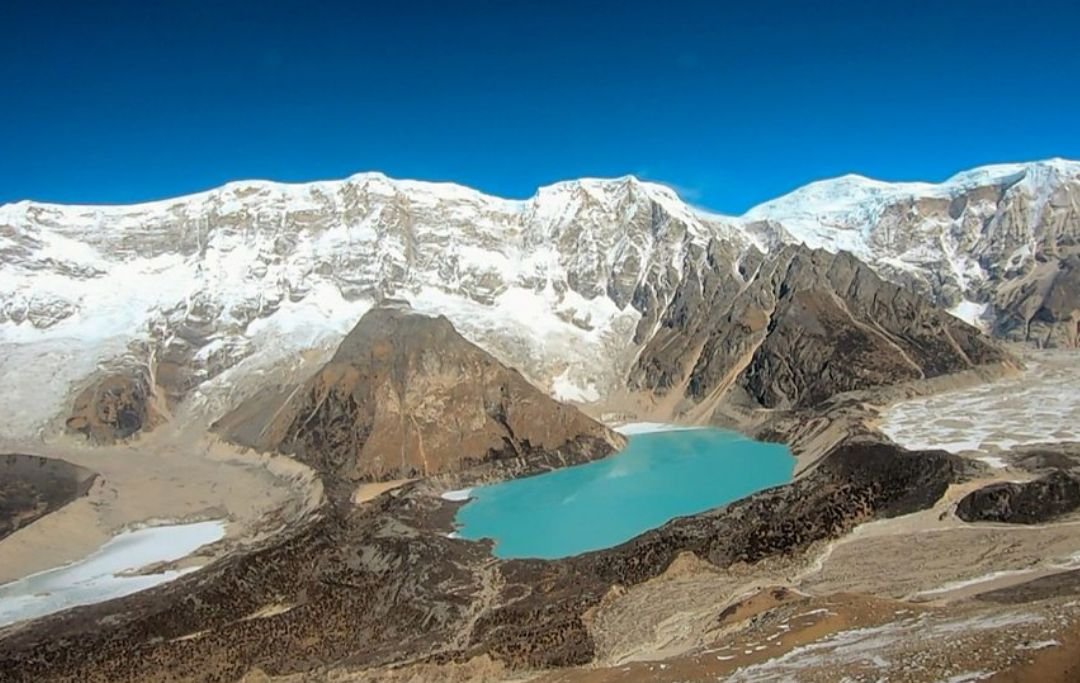
Bhutan is preparing to lower water levels in 17 potentially dangerous glacial lakes as part of a national effort to reduce the threat of glacial lake outburst floods (GLOFs). Prime Minister Tshering Tobgay will chair a high-level steering committee overseeing the initiative, which is expected to begin this winter. The National Committee for Critical Glacial Lakes will bring together technical experts and army personnel to coordinate the work and protect downstream communities and infrastructure. The decision follows the October 29 GLOF from Shintaphu Lake in Gasa, which caused significant damage despite advance warnings reaching five dzongkhags. Although sirens helped facilitate evacuations in Punakha and Wangdue without any reported human casualties, the disaster killed 128 yaks and cattle, left 86 missing and damaged roads, bridges, farmland and public facilities.
The National Centre for Hydrology and Meteorology (NCHM) continues to strengthen monitoring and preparedness through its round-the-clock Flood Monitoring and Command Room, with monitoring stations transmitting information every 15 minutes. However, officials have highlighted shortages of specialised professionals, funding constraints and communication gaps in remote areas. Under Bhutan’s 13th Plan, Nu 1.7 billion has been allocated to improve hydrological and meteorological services, expand observation networks and strengthen GLOF warnings. The government has also secured Green Climate Fund approval for a USD 22 million climate information and multi-hazard early warning project. Officials stressed that reducing disaster risks requires preventive action, resilient infrastructure, dependable communication and active community participation.