

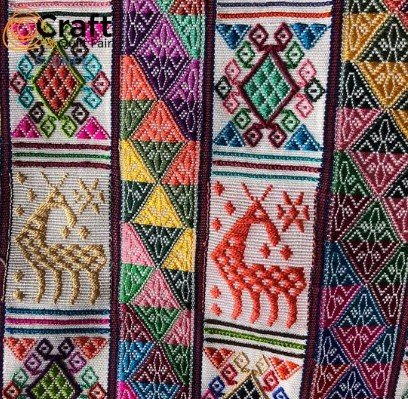
Machine-made kishutharas are becoming increasingly common in Bhutanese markets, putting pressure on traditional handweavers whose products require significantly more time and labour. Imported machine-made versions from neighbouring border towns often closely resemble traditional handwoven designs and colours but are available at lower prices, making them attractive to cost-conscious consumers, particularly during Tshechu season when traditional dress is widely worn. Weavers say the growing availability of cheaper alternatives has made it more difficult to sell handwoven kishutharas, whose prices reflect the craftsmanship, materials and hours of work involved in producing each piece. Shop owners in Thimphu have also reported a significant decline in sales of handwoven kishutharas compared with previous years, although demand for machine-made versions tends to increase during the festival season. While machine production gives consumers greater choice and more affordable access to traditional designs, it has also created a challenge for artisans seeking to sustain a craft passed down through generations. The issue highlights a growing tension between affordability and the preservation of traditional craftsmanship, as Bhutanese markets increasingly balance modern production methods with the cultural value and labour embedded in handwoven textiles.