

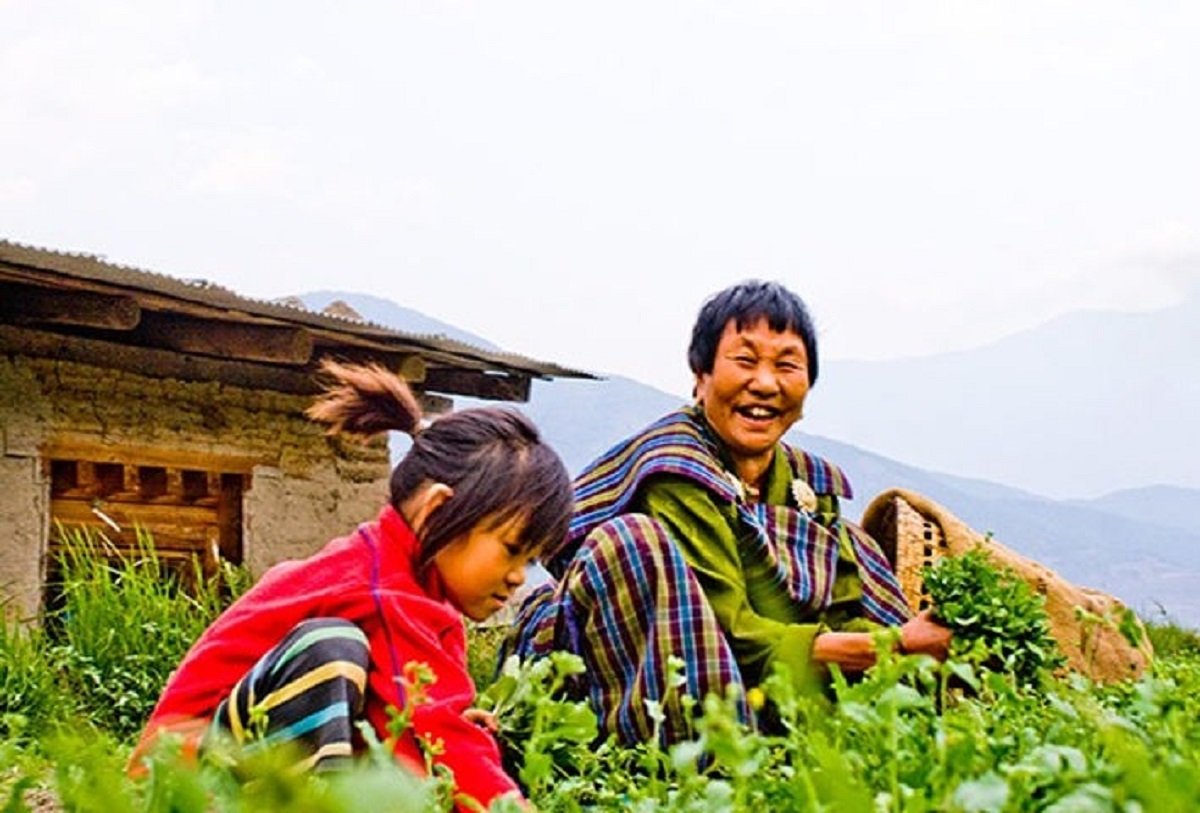
The Kingdom of Bhutan is pushing towards being the first fully organic country in the world. One of the main bodies supporting this mission is the National Centre for Organic Agriculture (NCOA). After restructuring in 2020, they have furthered their goal by acting in several capacities: conducting research on organic agriculture, creating and implementing organic agricultural technologies, training farmers on how to use those technologies, and developing a certification system called the Local Organic Assurance System (LOAS).
The implementation of many of these programs is also government funded/assisted in order to expose farmers to organic standards and to provide support for developing the necessary infrastructure and inputs required to produce organically grown crops. While there are many benefits to producing organically grown crops, there are many challenges that must first be overcome before farmers can transition to producing organically.
The most significant challenges that farmers face during this transition are pest and disease control, the inability to use effective bio-pesticides, a lack of access to herbicides for weed control (making weed control labor intensive), and a lower yield of crops compared to those grown using conventionally approved farming methods. In addition to the previously mentioned challenges, farmers have also indicated that they are unable to access needed inputs and that the profitability of producing organically is often unpredictable.
While some farmers (i.e., Khandu Wangdi) find the health benefits of producing organically worth the cost of production, many (i.e., Pema Choden, Penjor) are concerned about both input accessibility as well as the unpredictability of producing organically.