

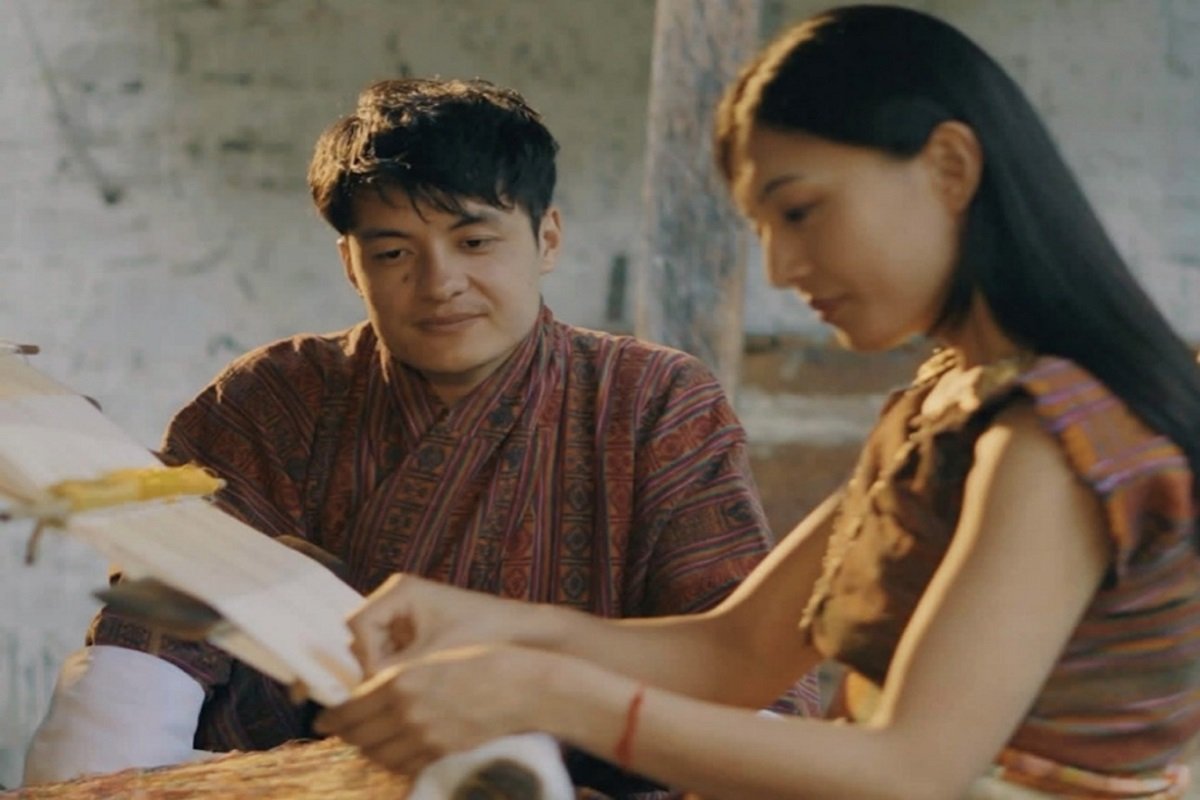
The northeastern Bhutanese village of Khoma is keeping alive the centuries-old tradition of kishuthara, an intricate silk brocade woven by women and regarded as one of the country’s most treasured textiles.
Used to make the traditional ankle-length kira worn by Bhutanese women on special occasions, kishuthara is known for its elaborate patterns and painstaking craftsmanship. Local legend traces its origins to Yoesel Dema, a woman from Khoma who is believed to have recreated an intricately patterned cloth she encountered at a trade fair in Tibet. The craft, traditionally passed down through generations of women, involves weaving silk on backstrap looms using a technique known as trima, in which additional threads are carefully incorporated to create raised designs. A single kira can take nearly two months to complete.
Weaving remains an important part of village life, with an estimated 70 per cent of households in Khoma gewog involved in the craft. For many women, it provides a livelihood, supports their families and represents a strong connection to their cultural heritage. In December 2024, 90-year-old weaver Sither Lhamo, who has spent 76 years practising the craft, became the first recipient of the Living Legend Award in Weaving Culture at the Royal Textile Academy in Thimphu.
However, the tradition faces challenges, including limited market access, shortages of materials and a decline in younger people taking up weaving as many leave for employment opportunities elsewhere. To support the craft, a weaving centre was established in Khoma in 2024 with assistance from the United Nations Development Programme. The initiative aims to strengthen local livelihoods and preserve the traditional skill. Efforts to introduce contemporary designs while retaining traditional techniques are also being encouraged to attract younger generations and ensure that Khoma’s celebrated weaving heritage continues to thrive.