

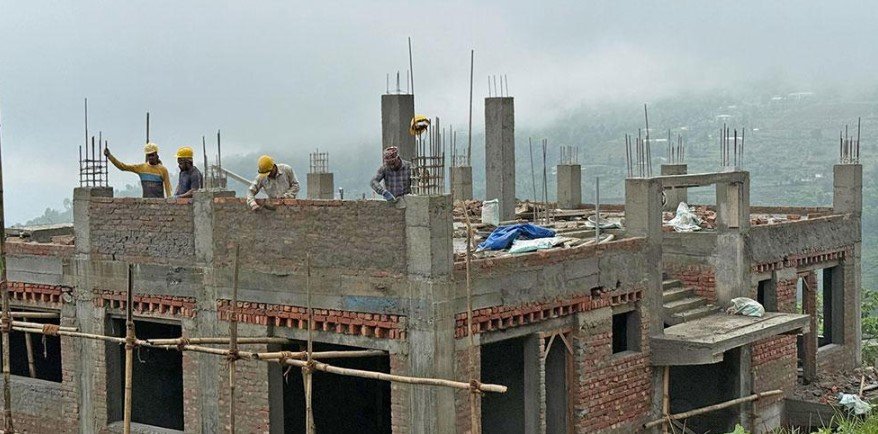
The widespread reliance on lowest-bid tender systems is pushing public works infrastructure to its limits, causing systemic project delays, cost overruns, and compromised build quality across municipal developments. Designed primarily to ensure fiscal prudence and prevent corruption in government spending, the traditional “L1” procurement model forces contractors to submit unrealistically low bids to secure contracts. Consequently, winning construction firms frequently face extreme margin pressures, leading them to cut corners on raw materials, rely on underqualified labor, or exploit contractual loopholes to claim expensive post-award variations. Civil engineers and policy experts warn that while lowest-bid selection appears cost-effective on paper, it inevitably results in frequent structural defects, premature wear, and inflated maintenance expenditures throughout an asset’s lifecycle. To mitigate these chronic inefficiencies, urban planners and public works authorities are advocating for a shift toward “Quality and Cost-Based Selection” (QCBS) frameworks, which prioritize contractor track record, technical capability, and long-term lifecycle costs over initial upfront pricing.