

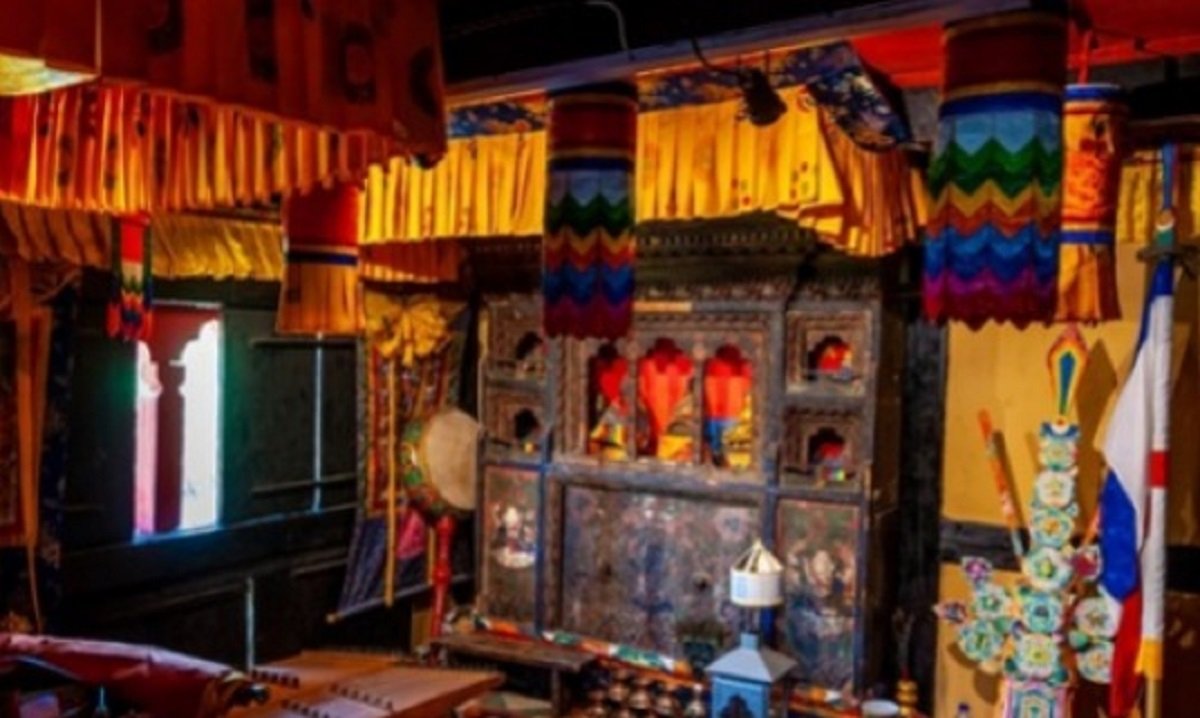
For devout Buddhists in Bhutan, yonchap, the practice of offering water, is an important part of daily spiritual life. The tradition encourages generosity and helps practitioners overcome selfishness and greed by offering something that is freely available and easy to give.
The practice, rooted in Himalayan Buddhist traditions, generally involves placing seven bowls of clean water on a shrine. Each bowl symbolises an aspect of Buddhist practice, including purification, enlightenment, morality, perseverance and relief from suffering. An eighth bowl may sometimes be added to represent music or sound.
Bhutanese practitioners usually collect fresh spring water in the morning and carefully arrange the bowls in a straight line with equal spacing. While filling them, they may chant “Om Ah Hum” and visualise the water being purified. The bowls are traditionally arranged from left to right and removed from right to left at the end of the day or before the next offering. The water may be returned to the earth or used for plants.
The practice concludes with a dedication of merit, with practitioners wishing that all sentient beings be freed from thirst and other forms of suffering.