

Japan’s food service industry is turning to advanced, physical artificial intelligence to preserve traditional culinary skills that are fading due to a severe national labor shortage and a lack of younger apprentices. Historically, high-end baking and confectionery have relied heavily on “tacit knowledge”—the decades of nuanced intuition, temperature adjustment, and precise movements acquired by master chefs that are notoriously difficult to codify. However, by leveraging modern deep learning models trained on vast neural networks, specialized robotics companies have successfully broken this barrier, enabling automated systems to analyze expert behavior with high-resolution cameras and image sensors to replicate complex culinary tasks with millimeter precision.
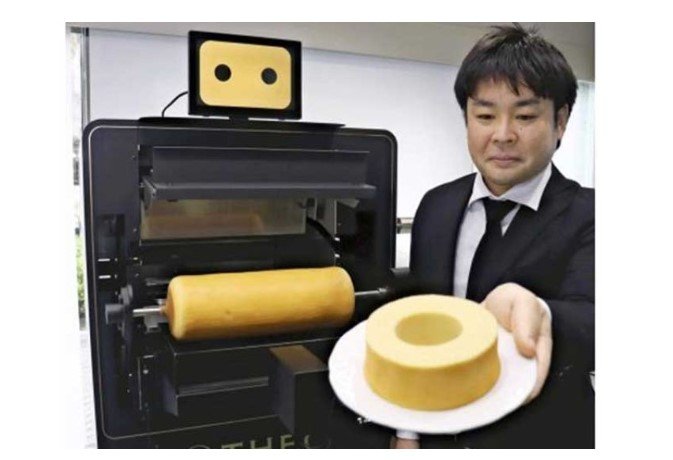
A primary example of this technology in action is “Theo,” an AI-equipped baking robot developed by Kobe-based confectionery manufacturer Juchheim. Theo has been meticulously trained on the exact techniques used by master bakers to create Baumkuchen—a complex German spit-cake requiring dozens of thin, meticulously broiled batter layers that usually takes humans years to master. The intelligent robot can analyze real-world environmental factors like shifting room humidity and oven temperatures to adjust its cooking times dynamically, mastering new artistic variations in just a few days. With Japan aiming to deploy millions of AI-driven physical systems across its service and manufacturing sectors by 2040, these mechanical pastry chefs are being rapidly loaned to businesses nationwide. By digitizing centuries of culinary heritage, the integration of physical AI ensures that iconic epicurean traditions survive a shrinking domestic workforce.