

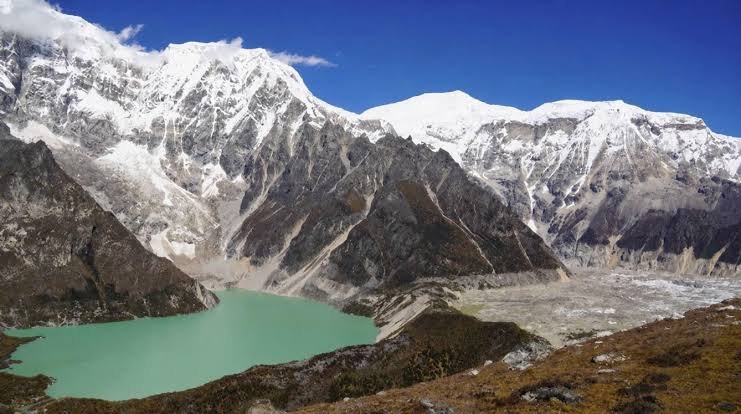
At Wakila in Laya—situated at an altitude of over 5,000 meters above sea level—Dorji grazes his yaks on high-altitude mountain pastures, following a lifestyle passed down through generations.
For centuries, these high-altitude grasslands have served as summer settlements for yak herders like Dorji and other mountain dwellers, who move there to escape the heat of the lower valleys.
The cold, open expanses of Wakila have long been reliable grazing grounds, sustaining both their yaks and their traditional way of life.
However, the mountains that shaped this traditional lifestyle are changing. Rising temperatures and shifting landscapes are disrupting weather patterns, forcing yak herders to adapt as their centuries-old migratory practices evolve.
“I started herding yaks at the age of 15 and have witnessed how the mountains have changed,” says 36-year-old Dorji. “In the past, herders would move to Wakila in July, when temperatures in Laya became uncomfortable for the yaks. Today, we leave as early as June because it has become hotter in Laya as well.”
Previously, families would return to Laya in September; now, they often stay in Wakila until October.
“Even in Wakila, during the summer months, we no longer need the thick clothing or heavy coats that were once essential during the biting cold,” Dorji notes.
The future remains uncertain for them. They fear that if temperatures continue to rise, yak herders may eventually have to seek new grazing grounds further north. The changes Dorji describes align with scientific findings regarding Bhutan’s shifting climate.