

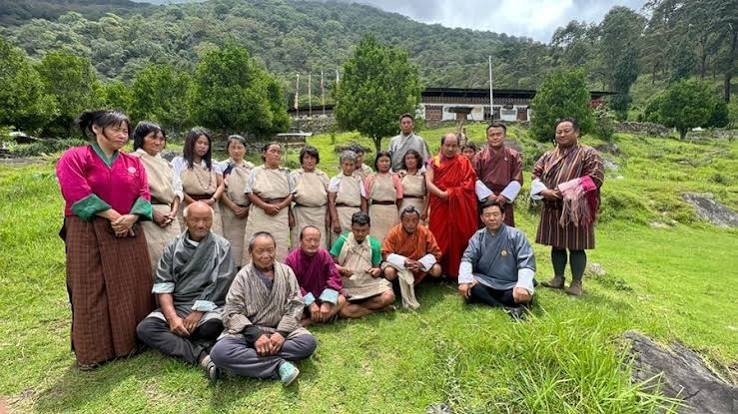
The indigenous Monpa community residing in Trongsa, widely regarded as among the earliest inhabitants of Bhutan with a distinct linguistic and cultural lineage, is stepping up concerted efforts to preserve and pass down their ancient heritage before unique practices fade entirely into memory, focusing particularly on reviving the endangered Kulungma Osa, their traditional dress crafted from natural nettle fibre. Derived from the Monpa dialect where “Kulungma” signifies the nettle plant and “Osa” refers to clothing, this historic attire was once an integral part of daily life for ancestors but is now regrettably worn by only a handful of elders, primarily during special cultural performances and community celebrations. While older generations view the garment as a profound living link to their forefathers, many younger members grew up unfamiliar with the craft, knowing of the dress only through parental stories or sparse village recollections. However, renewed interest has gradually taken root as local residents increasingly showcase the traditional attire to visiting tourists and researchers eager to explore Monpa culture, exposure that has sparked curiosity and pride among local youth. Residents like Singye Wangmo and Tshering Dolkar note that while youth participation initially lagged, witnessing various cultural programmes and welcoming visitors has inspired a collective desire to wear and protect the heritage dress during festivals. By bridging generational gaps, educating young community members through active participation, and leveraging cultural tourism, the Monpa people of Jangbi and Wangling chiwogs in Langthil Gewog are successfully transforming a fading relic into a vibrant symbol of resilience, ensuring that their distinct ancestral identity, indigenous craftsmanship, and rich historical legacy endure for future generations in an ever-changing modern world.