

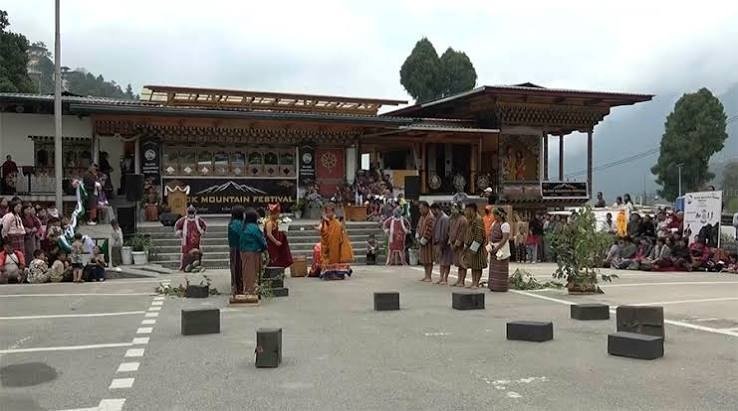
The fifth edition of the Black Mountain Festival in Trongsa successfully breathed vibrant new life into generations-old oral traditions, transforming ancestral stories and folklore into captivating stage performances that actively engage local communities and younger generations alike. As modern lifestyles and technological shifts threaten to erode oral histories that were once passed down exclusively by word of mouth, this year’s festival provided a crucial cultural platform for residents from various gewogs to showcase their unique heritage, historical accounts, and traditional livelihoods. Participants from Dragteng Gewog, for instance, mesmerized audiences with a theatrical retelling of how the historic Trongsa Dzong came to be constructed at its present location, dramatizing the fascinating oral account of how initial construction attempts at Dzongkha Lum were repeatedly disrupted by local deities before the current site was revealed through prophecy, leading to its founding as a small temple in 1543 by Yongzin Ngagi Wangchuk and its subsequent expansion by Zhabdrung in 1647. For performers like Rinzin from Taktse, adapting these deep-seated historical narratives into skits served as a meaningful vehicle to preserve local history and impart cultural values to younger onlookers, while District Culture Officer Dorji Tshering emphasized that the festival has successfully broadened its reach by welcoming visitors from other districts to share in Trongsa’s rich past. Beyond dramatic theatrical performances, the vibrant celebration also featured immersive storytelling sessions and a lively culinary competition celebrating authentic traditional dishes prepared using indigenous ingredients and time-honored cooking methods. Local officials have reaffirmed their commitment to sustaining such community-driven initiatives, ensuring an even greater emphasis on safeguarding oral knowledge and localized wisdom in the future. For the people of Trongsa, the festival has evolved far beyond a mere seasonal celebration, serving instead as a vital instrument to remember the past, share it proudly with outsiders, and keep their cultural identity permanently alive for generations to come.