

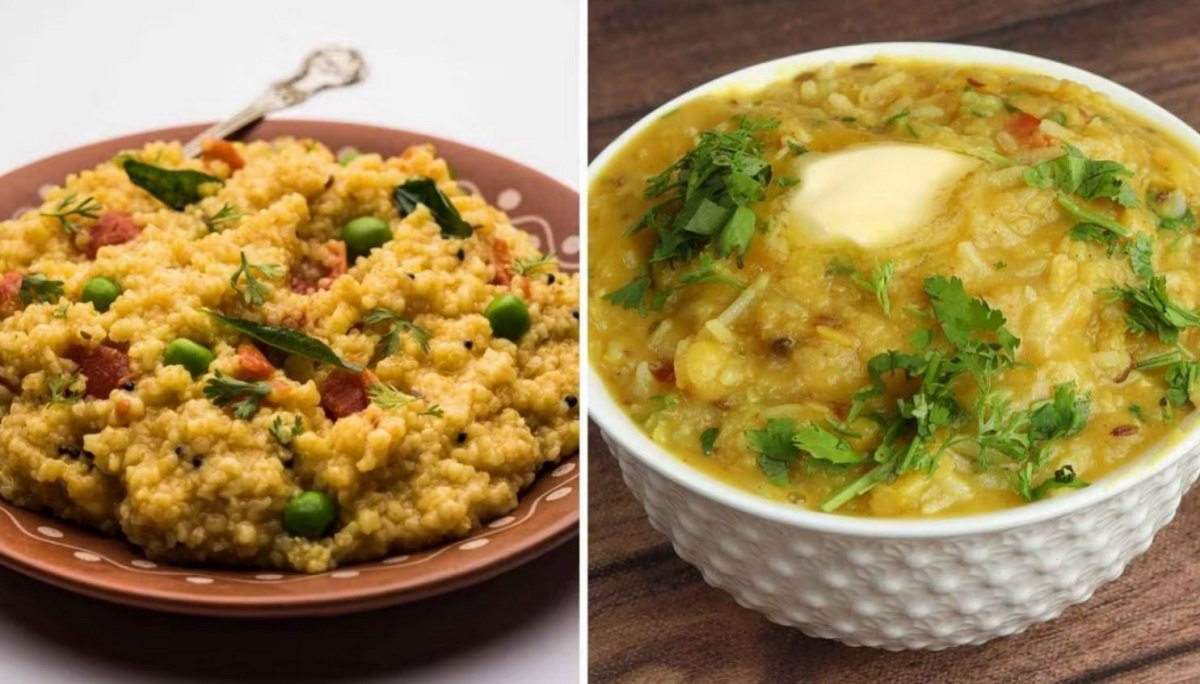
Dalia (broken wheat) and Khichdi are two popular comfort foods that have long been a part of Indian households. Loved for their nourishing qualities, wholesome ingredients, and easy preparation, both dishes make excellent additions to a balanced diet. However, despite their similarities, they differ in their nutritional composition, ingredients, and health benefits. Whether you want to improve digestion, increase your fibre intake, manage your weight, or enjoy a light and nourishing meal, understanding the differences between Dalia and Khichdi can help you choose the right option for your dietary needs.
Dalia: A Fibre-Rich Choice for Better Digestion
Dalia is prepared by coarsely breaking whole wheat grains into smaller pieces. It is a versatile and nutritious food that can be enjoyed in both sweet and savoury forms. Depending on your preference, you can cook it with milk, water, fresh vegetables, or pulses.
One of the biggest nutritional advantages of Dalia is its dietary fibre content. Fibre supports healthy digestion, promotes regular bowel movements, and helps prevent constipation. Its complex carbohydrates provide a steady supply of energy, while the fibre content helps keep you feeling full for longer.
This prolonged feeling of fullness can reduce unnecessary snacking and frequent hunger pangs, making Dalia a good addition to a weight-management diet. Regularly including whole-grain Dalia in your meals may also support heart health by helping maintain healthy cholesterol levels.
Khichdi: A Light and Comforting Meal for Easy Digestion
Khichdi is a traditional Indian dish made by cooking rice and lentils together until they become soft and creamy. It is often prepared with mild spices, a little ghee, and seasonal vegetables to enhance its flavour and nutritional value.
Known for its comforting and easily digestible nature, Khichdi is a popular meal choice during illness, digestive discomfort, or recovery. Its soft texture makes it particularly suitable for people who prefer light meals, including older adults.
The combination of rice and lentils provides carbohydrates and plant-based protein, while the addition of vegetables increases its fibre, vitamin, and mineral content. It is a simple yet satisfying meal that offers nourishment without being overly heavy.
Dalia vs Khichdi: Which One Should You Choose?
Both Dalia and Khichdi offer valuable nutritional benefits, but the better choice depends on your health goals and dietary preferences.
Dalia is generally a better option if you want to increase your fibre intake, support digestion, and stay full for longer. Made from whole wheat, it is particularly suitable for breakfast and can be prepared with milk, nuts, or vegetables for a wholesome meal.
Khichdi, on the other hand, offers a combination of carbohydrates and plant-based protein through rice and lentils. Its soft consistency and simple preparation make it a comforting choice for lunch or dinner, especially when you want something light and easy to digest.