

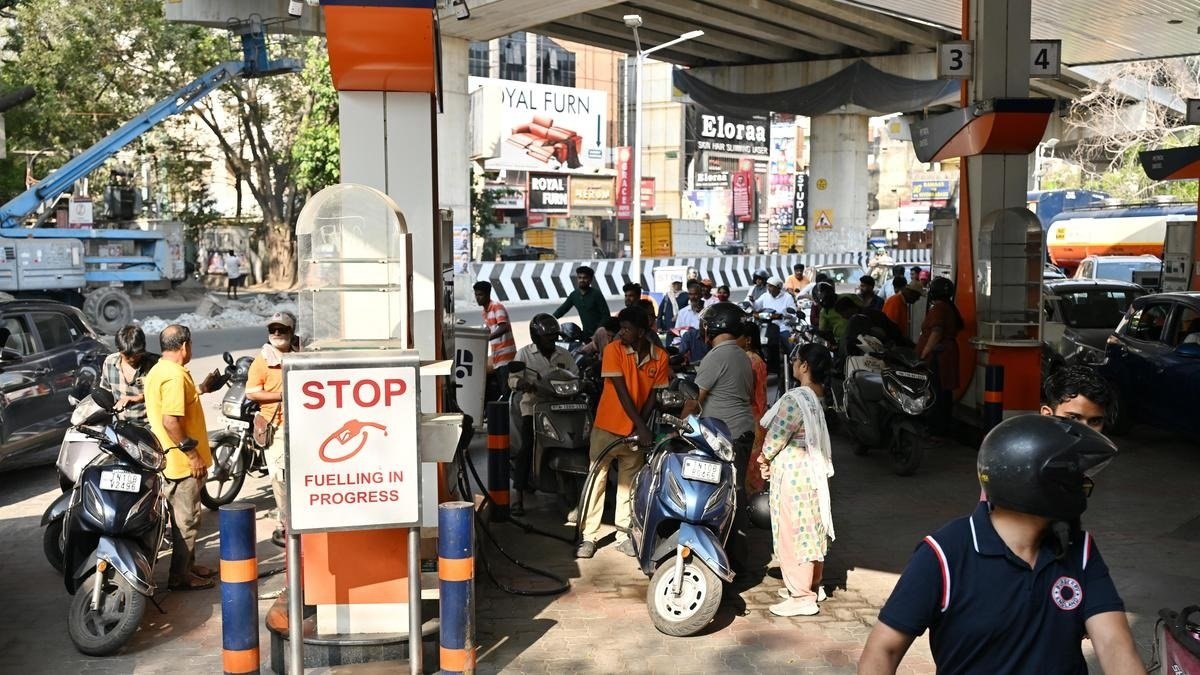
On March 20, 2026, the Ministry of Petroleum and Natural Gas (MoPNG) announced that the increase in petrol prices would be limited to the premium variant, experiencing a rise of ₹2-3 per litre, while the regular petrol price remains unaffected. Joint Secretary Sujata Sharma emphasized that the common public would not be impacted by this hike.
In related geopolitical developments, Iran’s Revolutionary Guards reported the death of their spokesman, Ali Mohammad Naini, attributing it to U.S.-Israeli strikes, characterizing the event as a “criminal cowardly terrorist attack.” This statement was made on their Sepah News website.
Increased hostilities have led to drone attacks resulting in fire at Kuwait’s Mina Al-Ahmadi oil refinery, with Gulf states indicating a response to the mentioned Iranian attacks. Concurrently, on the same day, Israel conducted airstrikes on Tehran amid the observance of Nowruz, the Persian New Year, signaling escalation in a conflict that has deeply affected the global economy and potentially risks involving other Arab nations directly.
Additionally, reports indicated that an Iranian missile strike targeted Israel’s Oil Refineries in Haifa, although Israel’s Energy Ministry reported no significant damage, stating that power disruption was temporary and electricity had been restored to the majority of affected areas. These incidents underline the increasing tensions in the region, with significant implications for both local and global energy markets.