

In a major step toward strengthening its local healthcare system, Bhutan’s Faculty of Traditional Medicine has officially launched a new textbook titled Zintig. Unveiled during the 3rd National Sorig Conference, this condensed textbook on Sorig—the traditional Bhutanese science of healing—aims to modernise medical training by aligning ancient wisdom with contemporary clinical practices.
For decades, students and practitioners in Bhutan relied on Kongtrul Zintig, a traditional Tibetan medical text. While historically invaluable, it often required students to study diseases and medicines unavailable in Bhutan, limiting their education to theory. The newly published Zintig, however, is specifically tailored to the country’s unique healthcare environment. It focuses exclusively on the diagnoses, symptoms, and more than 100 medicines currently utilized across Bhutanese hospitals, allowing fourth-year medical students to immediately apply their learning to practical, hands-on patient care.
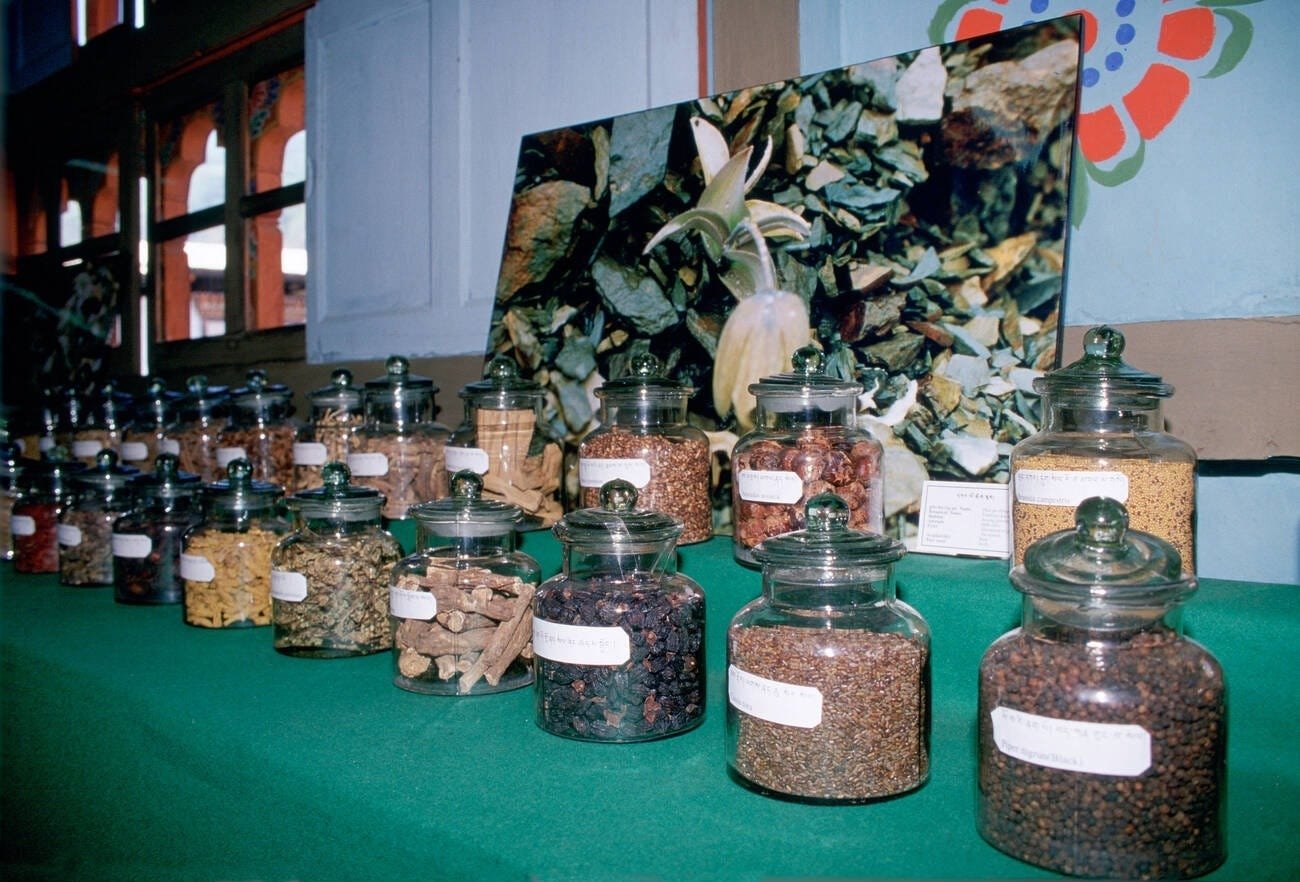
Traditional medicine, known locally as Sowa Rigpa, has been an integral part of Bhutan’s public healthcare infrastructure since its formal integration in 1967. This holistic system combines herbal remedies, dietary therapy, physical treatments, and spiritual healing rooted in centuries-old Buddhist traditions. Today, traditional healthcare services operate alongside modern medicine nationwide, delivered by specialized practitioners known as Drungtshos and Menpas.
The creation of Zintig represents a broader national effort to make Sowa Rigpa more evidence-based without losing its deep cultural foundations. Developed over two years by a dedicated panel of more than ten traditional medicine experts, the project incurred a total cost of approximately Nu 300,000. Faculty leaders emphasize that continuous research and review are vital to assessing the strengths of traditional treatments, ensuring the system remains both effective and credible in a rapidly modernising world.
Beyond public clinics, Bhutan’s rich healing traditions are also gaining international traction through wellness tourism. Establishments like the Bhutan Spirit Sanctuary in Paro’s Neyphu Valley are pioneering this space by structuring entire hospitality concepts around Sowa Rigpa. At such sanctuaries, visitors can consult with in-house traditional doctors and experience personalized treatments ranging from herbal therapies and acupuncture to traditional hot stone baths, blending cultural preservation with modern global interest.