

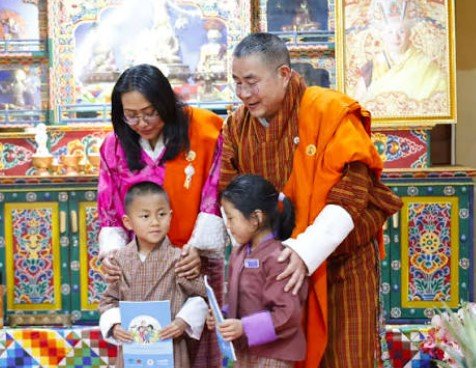
The Caring for the Caregiver programme is helping strengthen emotional wellbeing and parenting skills among caregivers in Bhutan, creating a positive impact on both parents and young children. Launched in 2021 by UNICEF and the Ministry of Education, the initiative trained 75 Early Childhood Care and Development (ECCD) facilitators and district education officers in Tsirang, Trashigang and Punakha to provide counselling, home visits and emotional support to caregivers.
Facilitators say the programme has helped parents better understand and manage their emotions while improving children’s communication, social interaction and overall development. An evaluation of the pilot programme also found reduced symptoms of depression and anxiety, alongside higher self-esteem among caregivers. Parents have welcomed the initiative, saying the home visits provide practical guidance and emotional encouragement that they continue to apply in their daily lives.
Mental health experts emphasise that a caregiver’s emotional wellbeing plays a crucial role in a child’s early development. According to psychiatrist Dr Ngawang Samten, poor caregiver mental health can affect a child’s sense of security and emotional resilience. Unlike a mental health treatment programme, Caring for the Caregiver focuses on preventing psychological distress and reducing social isolation by strengthening caregivers’ support systems. The initiative complements Bhutan’s National Parenting Education Programme, which has reached nearly 9,000 children through 432 community-based ECCD centres since 2019, reinforcing the importance of nurturing caregivers to ensure healthier and more secure childhoods.