

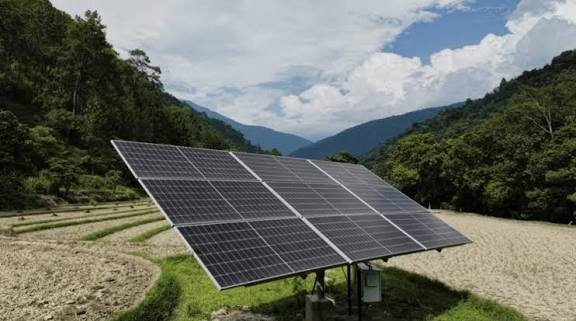
Empowering women through solar-powered irrigation has emerged as a transformative catalyst for rural development, gender equality, and sustainable agricultural productivity across developing agrarian economies where female farmers have historically shouldered the heaviest burdens of manual crop cultivation and water management. Traditionally, women in rural communities spend countless exhausting hours fetching water manually or relying on erratic rainfall and diesel-powered pumps that are both environmentally damaging and financially prohibitive, severely limiting their crop yields, income potential, and ability to practice multi-cropping throughout the dry seasons. The introduction of modern solar-powered irrigation systems fundamentally alters this dynamic by providing a reliable, clean, and cost-effective energy source to draw groundwater or harness surface water on demand, freeing women from grueling physical labor and enabling them to redirect precious time toward educational pursuits, community leadership, and income-generating entrepreneurial activities. By ensuring consistent water availability directly on their plots, these innovative renewable energy solutions allow women farmers to cultivate high-value horticulture crops, vegetables, and flowers year-round, significantly boosting household nutrition, food security, and financial independence as surplus produce is sold in local markets. Furthermore, local cooperatives and agricultural extension programs are increasingly training women in the technical maintenance, operation, and management of solar pumps, thereby breaking down systemic gender barriers, challenging traditional patriarchal structures, and positioning women as key decision-makers in climate-smart agricultural technology adoption. As governments, non-governmental organizations, and international financial institutions continue to scale up targeted subsidies and microfinance initiatives for solar agricultural infrastructure, the ripple effects extend far beyond increased crop production, fostering resilient rural economies where empowered women drive grassroots innovation, secure long-term environmental sustainability, and build prosperous futures for their families and communities alike.