

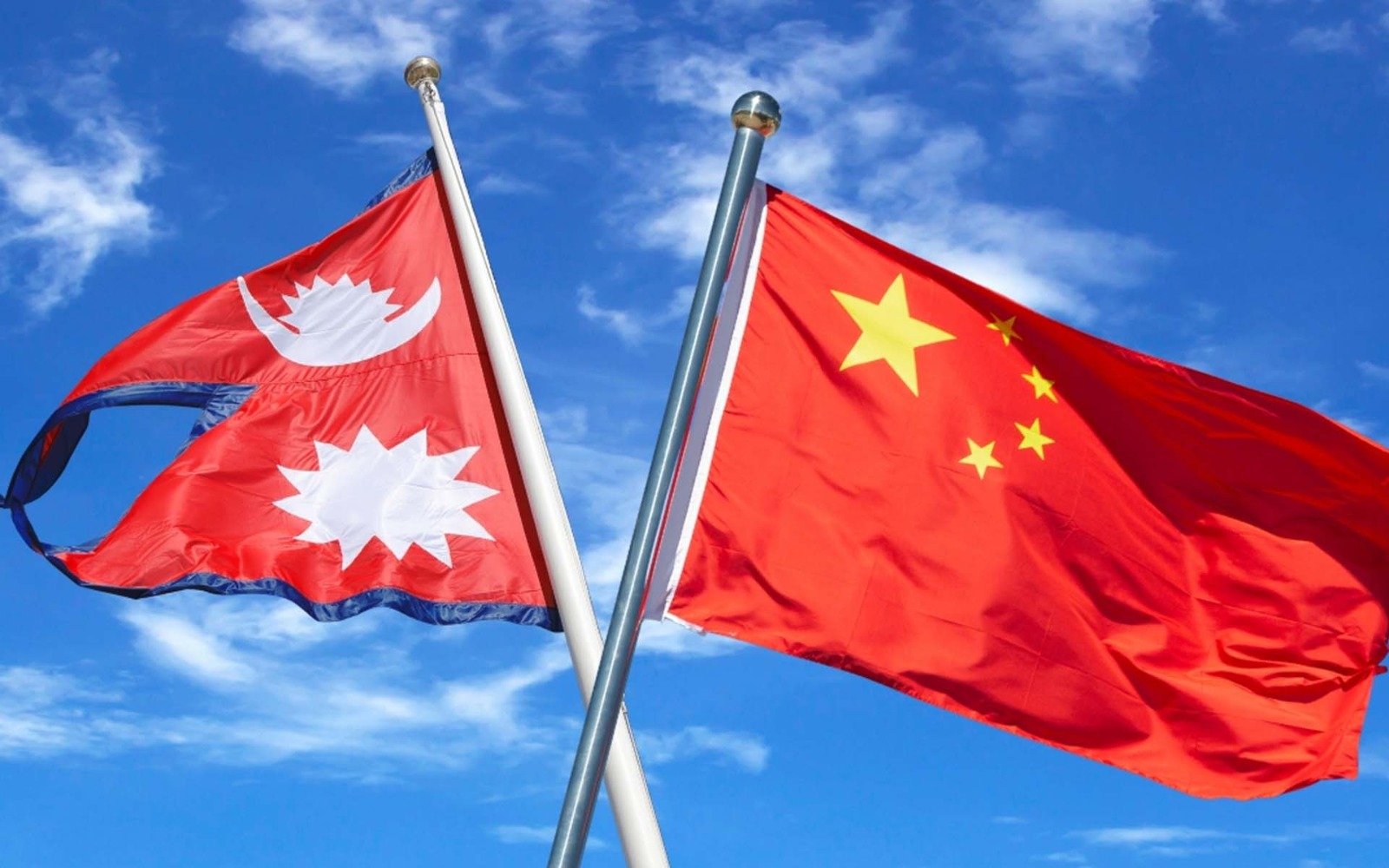
The diplomatic corridors of Nepal have become the latest stage for an intensifying geopolitical tug-of-war between the United States and China. High-level representatives from both superpowers have recently pushed competing priorities in Kathmandu, placing the Himalayan nation in a delicate position as it navigates its relationships with the world’s two largest economies.
Representing American interests, Samir Kapur has brought the sensitive issue of Tibetan refugees back to the forefront of bilateral discussions. Kapur highlighted the need for Nepal to address human rights and documentation challenges faced by the Tibetan community residing within its borders. This move is seen by analysts as a strategic effort by Washington to maintain pressure on regional human rights standards and ensure that Nepal remains a sanctuary for those fleeing political repression, a stance that has historically irritated Beijing.
In a swift counter-response, Chinese representative Cao Jing issued a series of stern warnings to the Nepalese administration. Beijing’s primary concern centers on the potential expansion of U.S. security and technological footprints in the region. Specifically, Cao Jing warned Nepal against joining the U.S. State Partnership Program (SPP), a military-to-military exchange initiative that China views as a veiled attempt at encirclement. Furthermore, China has flagged the potential entry of Starlink, Elon Musk’s satellite internet service, citing concerns over data sovereignty and the potential for uncontrolled communication channels along its sensitive border.
Adding to the friction is an upcoming event in Dharamshala, India, scheduled for May 27. China has reportedly exerted significant pressure on Nepal to abstain from participating in the event, which is associated with the Tibetan leadership in exile. Beijing views any official Nepalese presence at such gatherings as a violation of the “One China” policy and a direct threat to its internal security.
As both Washington and Beijing ramp up their engagement, the Nepalese government faces the daunting task of maintaining its traditional non-aligned foreign policy. The competing demands—ranging from human rights advocacy and satellite technology to defense pacts and refugee status—underscore Nepal’s strategic importance in the heart of the Himalayas. For Kathmandu, the challenge remains how to accept developmental aid and maintain diplomatic balance without becoming a proxy battleground for superpower rivalry.