

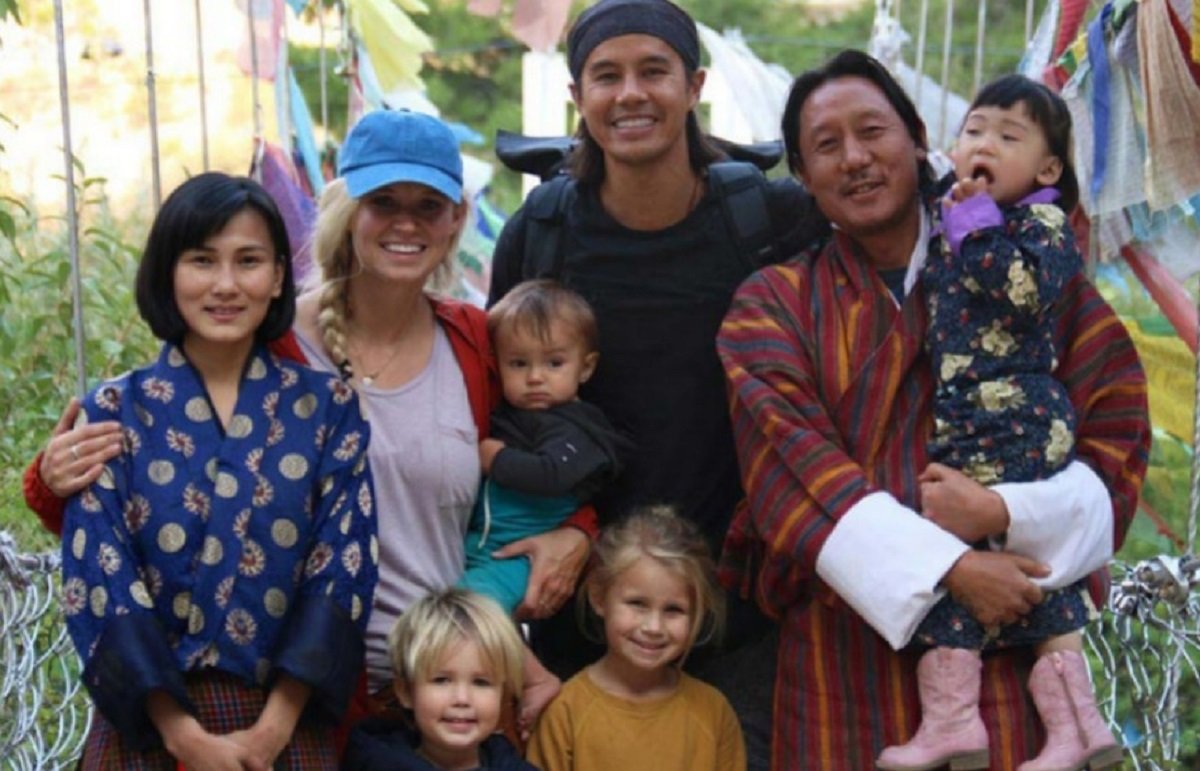
Bhutan’s unique naming tradition reflects the country’s deep-rooted Buddhist culture, where most people do not have family surnames. Except for the Royal Family, which bears the surname Wangchuck, Bhutanese are identified by their given names, with birthplace or descriptive terms sometimes used to distinguish individuals with the same name.
Traditionally, children are named by a lama or Rinpoche rather than their parents. The names are chosen based on Buddhist teachings, astrology, and spiritual significance, while a written horoscope, known as a ketsi, is also prepared to guide the child’s future and well-being.
Today, visitors to Bhutan can experience this centuries-old tradition by taking part in a naming ceremony at temples and monasteries. After providing their birth details, a lama assigns a Buddhist name believed to bring blessings and good fortune.
One of the most popular venues for the ceremony is Druk Wangditse Lhakhang, a historic temple in Thimphu founded in 1715. The monastery is renowned for its religious significance, sacred relics, and panoramic views of the Thimphu Valley. It can be reached via a scenic 30-minute hike from Sangaygang Viewpoint, making it a popular destination for both pilgrims and tourists.
Tour operators and local guides can assist visitors in arranging the naming ceremony, offering a meaningful opportunity to connect with Bhutan’s rich spiritual and cultural heritage.